
Leave A Message
If you are interested in our products and want to know more details,please leave a message here,we will reply you as soon as we can.

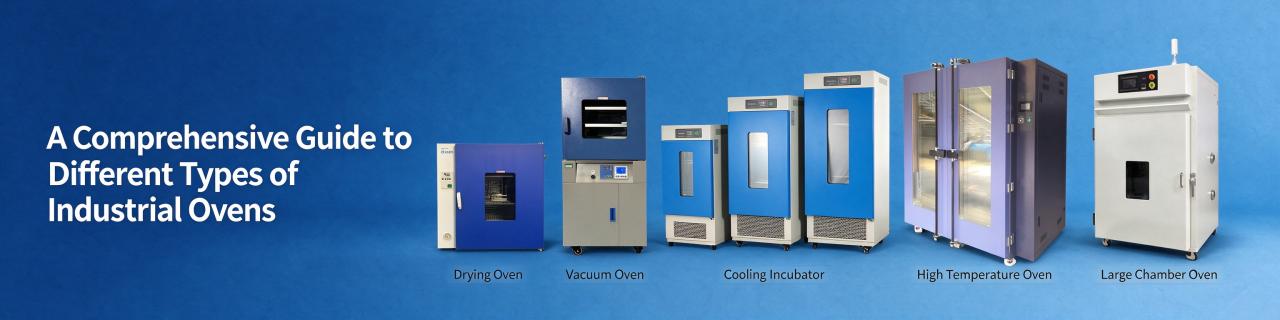
Unstable temperature output or inconsistent heating performance in lab and manufacturing equipment can lead to sample damage, failed thermal tests and product rejections. Industrial ovens solve these problems by delivering controlled heating conditions, managing uniform temperature distribution, and supporting reliable material processing. In this blog post, we will explore the top 4 types of industrial ovens and important factors to consider for selection of industrial ovens.
Industrial ovens are thermal processing devices that create controlled temperature environments for materials, test samples and components. It allows consistent heating or cooling performance and manages stable thermal conditions. It can protect heat‑sensitive specimens and support thermal testing to prevent potential sample damage. Industrial ovens are most used in manufacturing quality‑control departments, research laboratories to ensure optimal performance in material drying, baking and thermal validation work.
Industrial ovens have a vital role in keeping test samples and workpieces under well‑controlled thermal environments. In selection of right type of industrial ovens, various factors are involved which includes temperature range, chamber volume, heating method and sample characteristics. Here’s an overview of the top industrial oven types and their applications.
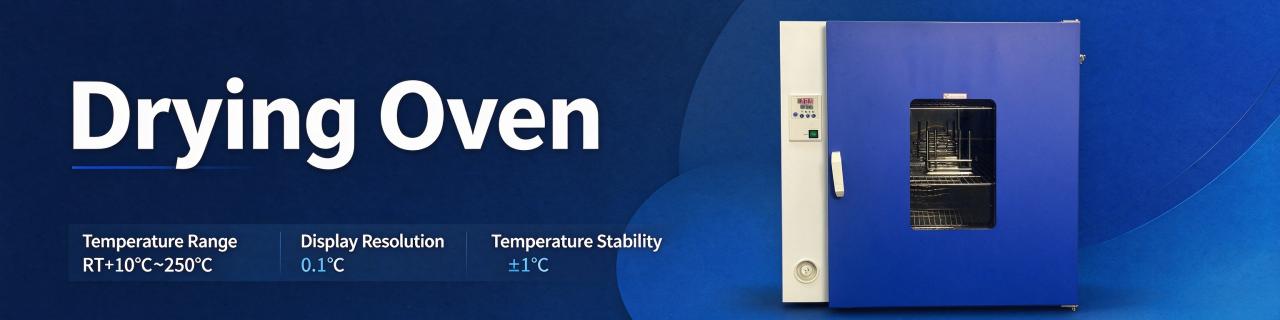
Drying ovens deliver controlled heating with forced‑air circulation inside the chamber. This type of oven is capable of evaporating moisture from samples without vacuum conditions which makes them a potential candidate for use in material drying, component treatment, and routine laboratory sample processing. Drying ovens follow standard testing protocols and are more effective in cases where uniform hot‑air circulation is required. The forced‑air design of these ovens makes them suitable for textile color fastness tests, general lab drying and low‑to‑moderate temperature processing applications.
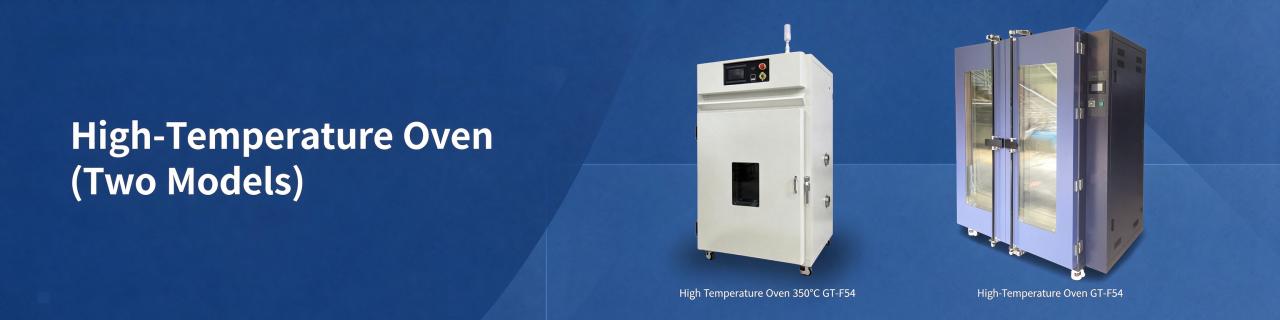
GESTER supplies two distinct high‑temperature oven models built for high-heat thermal processing and material heat treatment. Both units adopt forced‑air circulation and thick thermal insulation layers to minimize internal temperature fluctuation, but they differ in maximum temperature rating and intended use cases.
The first high‑temperature oven model supports operating temperatures up to +300°C. It is commonly selected for thermal aging tests, electronic component baking, and moderate high-temperature curing tasks. This model balances performance and energy consumption, fitting most routine quality inspection labs and small-batch production validation.
The second high‑temperature oven model reaches up to +500°C, built for more demanding high-heat applications. It features upgraded internal stainless steel and reinforced sealing structure to withstand sustained extreme heat. Engineers and QC teams use this unit for metal heat treatment, ceramic testing, and high-temperature resistance verification of raw materials. Both high‑temperature oven options improve reliability in systems requiring sustained high heat and protect test pieces from uneven thermal exposure.
As the name suggests, high‑temperature ovens permit elevated operating temperatures up to +350°C which makes them ideal for applications with high‑temperature baking and heat treatment. This type of oven can handle thermal testing for electronic parts and raw materials by adopting forced‑air circulation and thick thermal insulation layers, which reduce temperature fluctuation inside the chamber. They are mostly used in rotating‑component thermal testing, electronic product validation, and industrial material heat treatment. High‑temperature ovens improve reliability in systems requiring sustained high heat and protecting test pieces from uneven thermal exposure.

Vacuum drying ovens perform drying tasks under reduced‑pressure vacuum environments to process heat‑sensitive items. These types of ovens due to their low‑pressure working condition, are used in applications where samples cannot withstand high‑temperature air‑circulation drying. Vacuum drying ovens are well suited for heat‑labile materials as they can complete moisture removal without exposing samples to strong hot airflow. They are widely adopted in laboratories and sealed‑sample processing workflows.
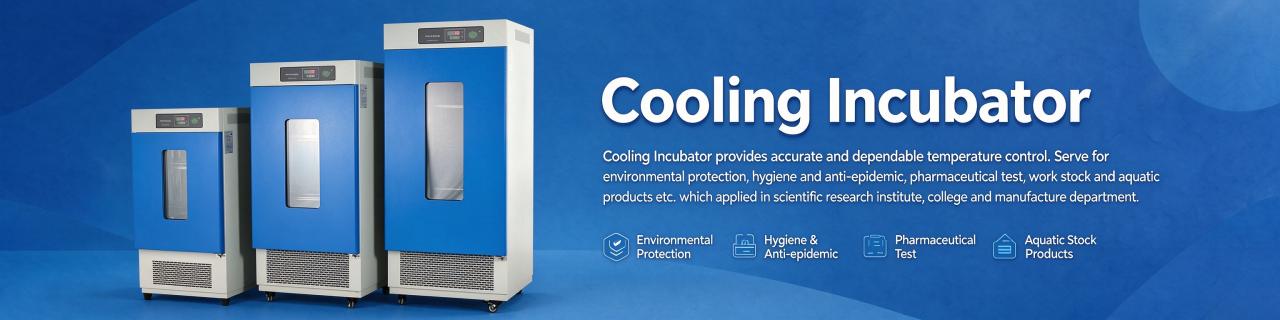
Cooling incubators create stable low‑temperature controlled environments for specimen storage and incubation. This type of oven provides accurate cooling‑based thermal control and minimizes temperature drift on stored samples. They can prevent sample degradation and maintain stable conditions in connected systems. Cooling incubators work efficiently in low‑temperature applications such as pharmaceutical testing, aquatic product research, biological sample preservation and scientific institute laboratory work.
Selection of right industrial oven requires evaluation of multiple factors to ensure its compatibility with the system demands and long‑term service life.
Underestimating required temperature range of industrial ovens can limit processing capability and cause sample damage. Types of industrial ovens and their thermal capabilities should be considered and compared with the lab or production system’s requirements.
Different types of industrial ovens have unique chamber volume options with respect to sample‑loading capacity. Choose an industrial oven that meets your system’s loading requirements because any mismatch between chamber size and sample quantity can cause poor heat circulation and inefficient processing.
Lab and manufacturing processes require stable temperature output in case of thermal testing operations. Industrial ovens with good temperature uniformity features minimize the impact of hot or cold spots and prevents sample failure which prolongs equipment lifespan.
Physical and chemical properties of test samples affect the performance of industrial ovens. Vacuum configuration, corrosion‑resistant inner chamber materials can reduce negative effects brought by special samples. Choose an industrial oven according to the characteristics of your processed materials and samples.
Selecting the right industrial oven is important for consistent thermal processing, reduced sample waste, and enhanced lifespan of test specimens and equipment. By understanding different types of industrial ovens and key factors affecting industrial oven performance, you can enhance the lab or manufacturing reliability and performance. For high‑precision and custom thermal‑processing projects, consider GESTER’s industrial oven solutions which ensure tailored solutions for your unique project requirements.
Forced‑air circulation in industrial ovens allows for even heat distribution inside the chamber which reduces temperature deviation across different sample positions. Industrial ovens can prevent uneven drying or thermal exposure, minimize local overheating, and ensure stable and repeatable thermal processing performance by circulating heated air throughout the working chamber.
Vacuum drying ovens help in protecting heat‑sensitive samples by removing moisture under reduced‑pressure conditions without high‑temperature forced hot‑air blowing. It also enhances processing stability and improves overall lifespan and performance of heat‑vulnerable material specimens.
Stainless steel for its high strength and corrosion resistance are commonly used inner‑chamber materials for industrial ovens. Insulation materials like high‑thickness thermal‑insulation layers are also used for heat preservation and energy saving. Double‑layer tempered glass is widely adopted for observation windows which makes it ideal material for real‑time sample viewing in industrial and laboratory settings.
Yes, an industrial oven can reduce laboratory sample waste by maintaining precise temperature control and uniform heating which minimizes sample damage during drying, baking or thermal testing workflows.
Cooling incubators are used in pharmaceutical and research work because they provide stable and controlled low‑temperature environments which prevents biological or chemical samples from degradation during storage and incubation processes.
- Different Types of Aging Oven: How to Choose the Best for Your Projects? →
leave a message
Scan to wechat :

Scan to Whatsapp :