

How to Test Battery Performance Under Extreme Temperature Conditions
Battery performance can change significantly when a battery is exposed to extreme temperatures. Low temperatures may reduce available capacity and power output, while high temperatures can accelerate degradation, increase internal resistance, and create additional safety risks.
For battery manufacturers, electric vehicle developers, energy storage companies, and battery testing laboratories, environmental testing is therefore an important part of battery reliability validation.
At GESTER, we provide environmental test chamber solutions for battery and new energy applications, including temperature and humidity chambers, high and low temperature test chambers, thermal shock chambers, and rapid temperature change test chambers.
This guide explains how to test battery performance under extreme temperature conditions, what parameters should be monitored, and how to select the appropriate environmental test equipment.
Why Test Batteries Under Extreme Temperatures?
Batteries are rarely operated under constant laboratory conditions. Electric vehicles may experience freezing winter temperatures, while batteries used in energy storage systems can be exposed to high ambient temperatures.
Temperature affects several important battery characteristics:
Capacity and energy output
Charge and discharge performance
Internal resistance
Voltage stability
Charging efficiency
Cycle life
Thermal stability
Safety performance
Testing batteries at controlled high and low temperatures helps manufacturers understand how their products behave outside normal operating conditions.
Environmental testing can also help identify potential problems before batteries enter mass production or commercial applications.
How Temperature Affects Battery Performance
1. Low-Temperature Performance
At low temperatures, electrochemical reactions inside a battery become slower. This can increase internal resistance and reduce the battery's ability to deliver power.
Typical effects include:
- Reduced discharge capacity
- Lower output power
- Increased internal resistance
- Slower charging
- Reduced charging efficiency
- Increased risk of lithium plating during inappropriate charging conditions
For this reason, low-temperature testing is particularly important for batteries intended for electric vehicles, outdoor equipment, energy storage systems, and other applications exposed to cold environments.
2. High-Temperature Performance
High temperatures can accelerate chemical reactions and aging mechanisms inside a battery.
Depending on the battery chemistry and operating conditions, excessive temperature can contribute to:
- Faster capacity degradation
- Increased self-discharge
- Reduced cycle life
- Electrolyte degradation
- Increased thermal stress
- Potential safety risks
High-temperature testing therefore helps engineers evaluate whether a battery can maintain stable performance during operation in hot environments.
What Environmental Test Chamber Should Be Used?
Different battery temperature tests may require different environmental testing equipment.
Temperature and Humidity Test Chamber
A programmable temperature and humidity chamber is suitable when the test requires controlled temperature and humidity conditions.
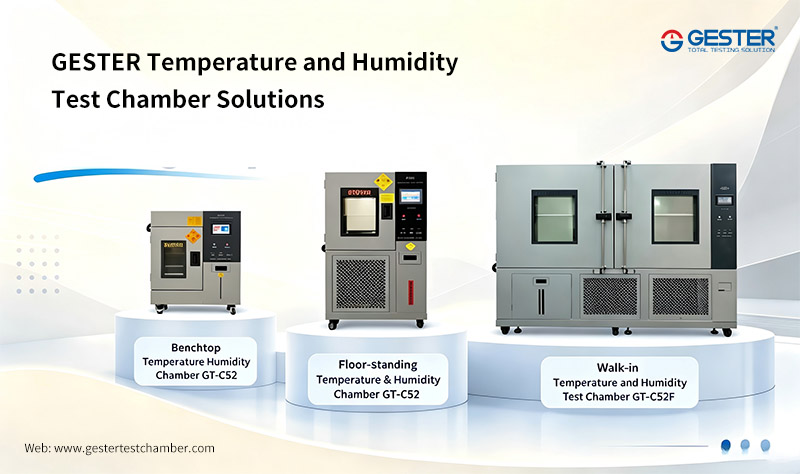
GESTER's Temperature and Humidity Test Chamber GT-C52 series, for example, is designed for programmable environmental simulation. Depending on configuration, the chamber can provide temperature ranges such as -20°C to +150°C, -40°C to +150°C, or -60°C to +150°C, with humidity control available for applicable configurations.
This type of chamber can be used for battery environmental conditioning, temperature-humidity testing, reliability evaluation, and other controlled environmental tests.
Our temperature and humidity test chambers are available in various configurations, from compact benchtop chambers to large-capacity and walk-in environmental chambers. Programmable temperature and humidity control allows users to create specific test profiles and simulate different environmental conditions with high repeatability.
High and Low Temperature Test Chamber
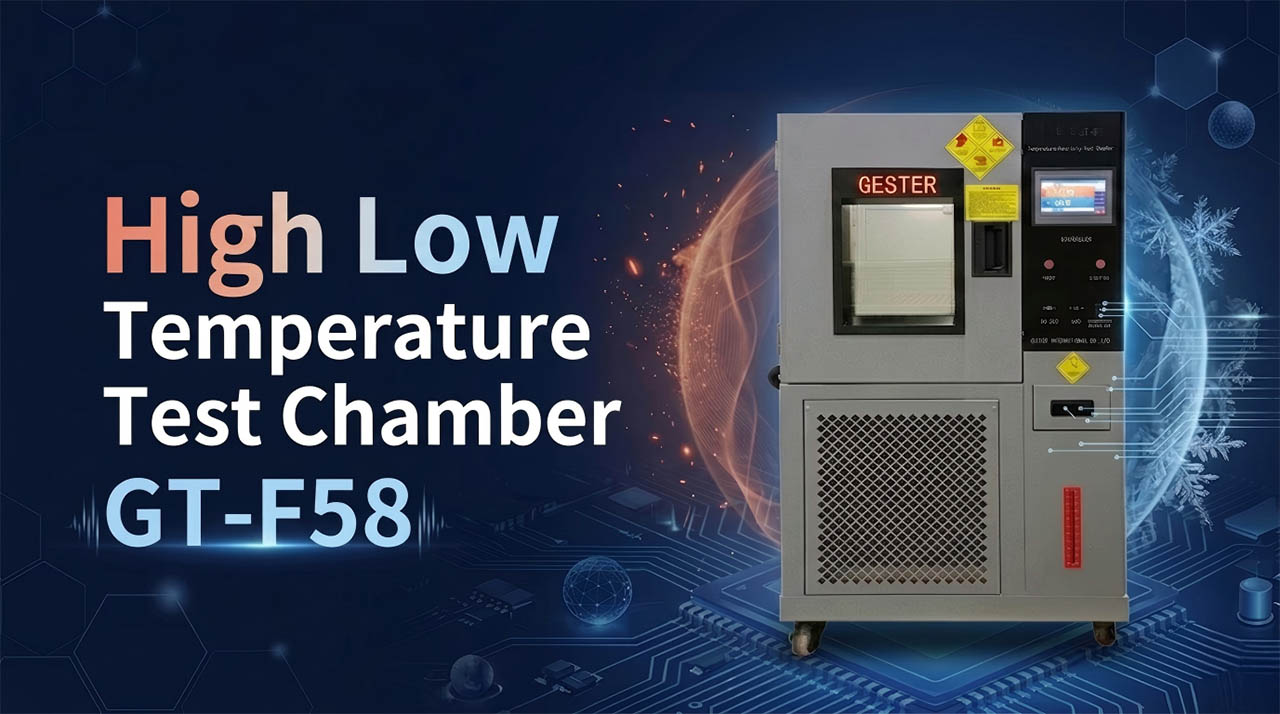
When humidity is not required and the primary objective is to evaluate battery performance under extreme temperatures, a high and low temperature test chamber can be more appropriate.
GESTER's High and Low Temperature Test Chamber GT-F58 series is designed to simulate extreme high- and low-temperature conditions and can be incorporated into reliability testing programs where temperature exposure is the primary test condition.
This configuration is particularly useful for testing battery performance across a defined temperature range.
Thermal Shock Test Chamber
Some applications require rapid transitions between hot and cold environments rather than gradual temperature changes.
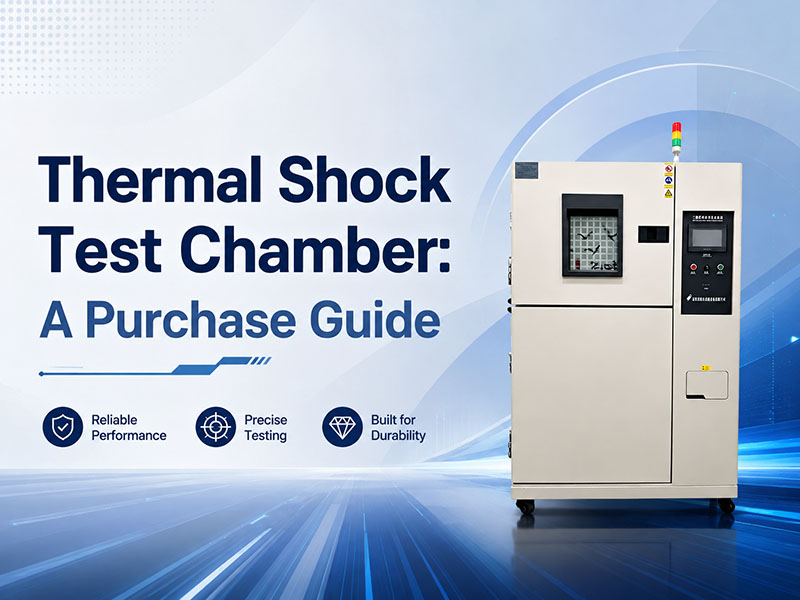
A thermal shock test chamber exposes the test specimen to rapid temperature transitions. This can reveal weaknesses caused by sudden thermal changes that may not be detected during slower temperature cycling.
GESTER provides two-chamber and three-chamber thermal shock solutions for applications requiring rapid hot-to-cold or cold-to-hot transitions.
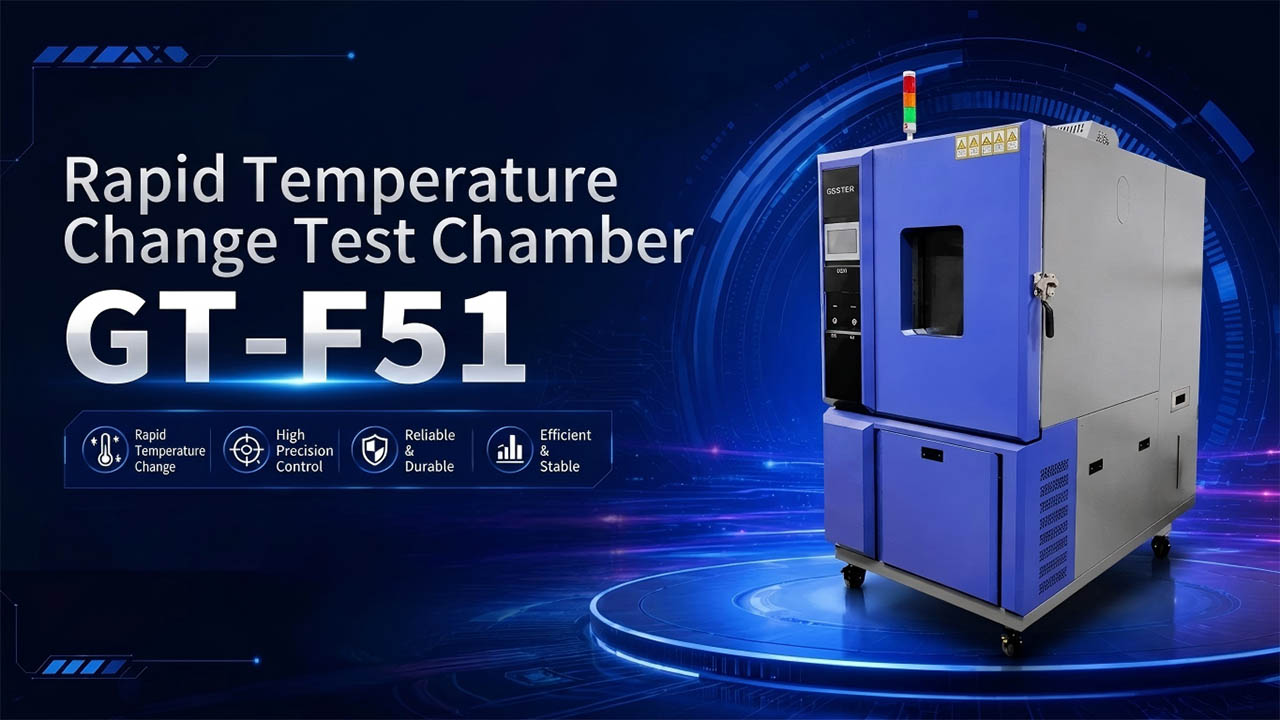
Rapid Temperature Change Test Chamber
For reliability programs requiring controlled and relatively fast temperature changes, a rapid temperature change chamber can be considered.
This type of equipment is useful when the test procedure specifies defined temperature transition rates and repeated environmental cycles.
Important Considerations When Testing Batteries
Battery testing requires more than simply placing a battery inside a temperature chamber.
Temperature Uniformity
The temperature inside the chamber should remain sufficiently uniform so that the battery is exposed to a consistent environmental condition.
Poor temperature uniformity can introduce unnecessary variation into test results.
Temperature Stability
The chamber should maintain the target temperature throughout the test.
Stable temperature control is especially important during long-duration battery testing.
Temperature Change Rate
Some test procedures require a specific temperature ramp rate.
Therefore, engineers should confirm the required heating and cooling rates before selecting the chamber.
Chamber Capacity
The chamber should have sufficient working space for the battery sample, fixtures, sensors, and electrical connections.
For larger battery modules or battery packs, a larger environmental chamber may be required.
Safety Configuration
Battery testing may involve charging, discharging, elevated temperatures, or abnormal conditions.
For potentially hazardous battery tests, the chamber configuration should be selected according to the battery type, test procedure, energy level, and applicable safety requirements.
GESTER also provides dedicated battery testing equipment, including explosion-proof overcharge and overdischarge test chambers, alongside environmental chambers for new energy battery testing.
How GESTER Supports Battery Environmental Testing
Battery performance testing often involves multiple environmental stresses rather than a single temperature test.
GESTER provides a range of environmental and battery testing equipment for new energy applications, including:
Temperature Humidity Chamber
Benchtop Temperature and Humidity Chamber GT-C52
Floor-standing Temperature and Humidity Chamber GT-C52
Walk-in Temperature and Humidity Chamber GT-C52
Temperature Chamber
High Low Temperature Test Chamber GT-F58
Thermal Shock Chamber GT-F56A
Rapid Temperature Change Test Chamber GT-F51
Comprehensive Environmental Chamber
Rapid Thermal Shock Three-Combined Environmental Test Chamber GT-F70
Battery Testing Equipment
Battery Extrusion Testing Machine GT-I05
Electromagnetic Vibration Test Bench GT-I12
Battery Impact Testing Machine GT-I10
Battery Short Circuit Testing Machine GT-I09
Battery Burning Tester GT-I07
Battery Squeeze Acupuncture Testing Machine GT-I06
Battery Nail Penetration Testing Machine GT-I04
IEC 62133 Battery Free Fall Testing Equipment GT-I02B
Battery Pack Drop Testing Machine GT-I02
Battery Overcharge and Overdischarge Explosion-Proof Test Chamber GT-I08
This portfolio allows battery manufacturers and laboratories to combine environmental simulation with mechanical and safety testing according to their testing requirements.
GESTER has nearly 30 years of experience in environmental and climatic test chamber R&D and manufacturing, with solutions covering temperature and humidity testing, high and low temperature testing, thermal shock, rapid temperature change, battery testing, and other reliability applications.
Conclusion
Testing battery performance under extreme temperature conditions is an important part of battery reliability and safety evaluation.
Low temperatures can affect capacity, power output, charging performance, and internal resistance, while high temperatures can accelerate degradation and increase thermal stress.
A well-designed test should control the environmental conditions, monitor electrical performance, repeat testing across relevant temperatures, and compare the results against the applicable test requirements.
The right environmental test chamber depends on the required temperature range, humidity conditions, transition rate, sample size, test duration, electrical test setup, and safety requirements.
For battery manufacturers and laboratories looking for a suitable environmental testing solution, GESTER can provide temperature chambers, high-low temperature chambers, thermal shock systems, rapid temperature change chambers, and dedicated battery testing equipment based on the specific application.