

Environmental Test Chamber: Complete Guide to Environmental Testing Equipment
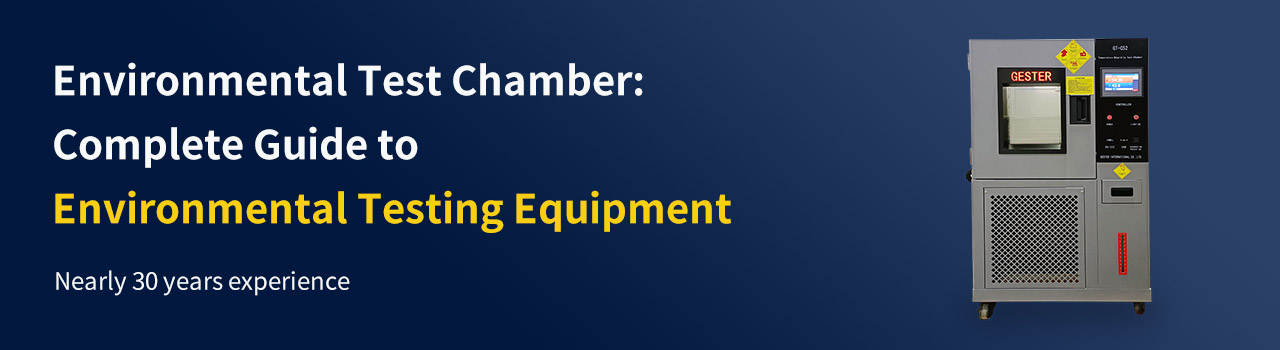
Environmental test chambers are essential laboratory testing systems used to simulate controlled environmental conditions and evaluate how products, materials, components, and assemblies perform under temperature, humidity, thermal shock, corrosion, water, dust, aging, and other environmental stresses.
For manufacturers and testing laboratories, the right environmental testing equipment can help identify potential failures before products enter the market, verify product reliability, support quality control, and meet applicable testing requirements.
This complete guide explains what an environmental test chamber is, the major types of environmental testing equipment, common applications, important testing factors, applicable standards, and how to select the right chamber for your laboratory or production environment.
What Is an Environmental Test Chamber?
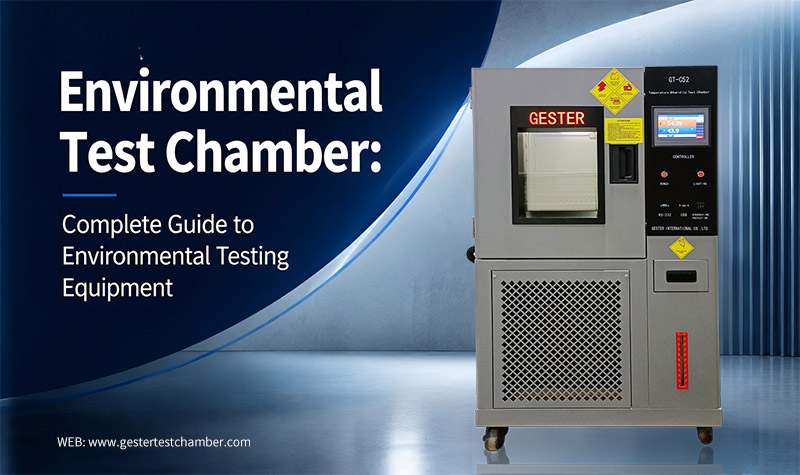
An environmental test chamber is a controlled testing system designed to reproduce specific environmental conditions in a laboratory.
Instead of waiting for products to experience natural temperature changes, humidity, rain, dust, corrosion, or other environmental conditions over months or years, manufacturers can use controlled laboratory equipment to expose test samples to defined conditions and monitor their performance.
Depending on the test objective, an environmental testing system may control or simulate:
-
Temperature
-
Relative humidity
-
High and low temperatures
-
Rapid temperature changes
-
Thermal shock
-
Water and rain
-
Dust
-
Salt spray
-
Corrosive environments
-
UV and accelerated weathering
-
Heat aging
-
High-temperature and high-humidity aging
-
Other environmental stresses
The purpose is not simply to expose a product to a harsh environment. The test should reproduce a controlled and repeatable condition so that test results can be compared between samples, production batches, or product designs.
Why Is Environmental Testing Important?
Products can experience significant environmental changes during manufacturing, transportation, storage, installation, and actual use.
For example, an electronic component may be exposed to high humidity during operation, while an automotive component may experience rapid temperature changes between hot and cold environments. Outdoor equipment may encounter rain, dust, salt spray, and UV radiation.
Environmental testing helps manufacturers understand how products respond to these conditions before failures occur in the field.
Key Benefits of Environmental Testing
1. Product Reliability Evaluation
Environmental testing can reveal weaknesses in materials, components, assemblies, and finished products.
2. Quality Control
Controlled environmental tests provide repeatable conditions for production quality verification and product comparison.
3. Product Development
Engineers can use environmental testing during design verification to identify weaknesses and improve product construction.
4. Failure Analysis
Testing can help determine whether temperature, humidity, corrosion, water, dust, or other environmental factors contribute to product failure.
5. Standards and Compliance
Many industries require products to undergo specific environmental tests according to applicable international, national, or industry standards.
6. Accelerated Reliability Evaluation
Some environmental tests expose products to controlled stresses that can accelerate the appearance of potential defects compared with normal field exposure.
Major Types of Environmental Testing Equipment
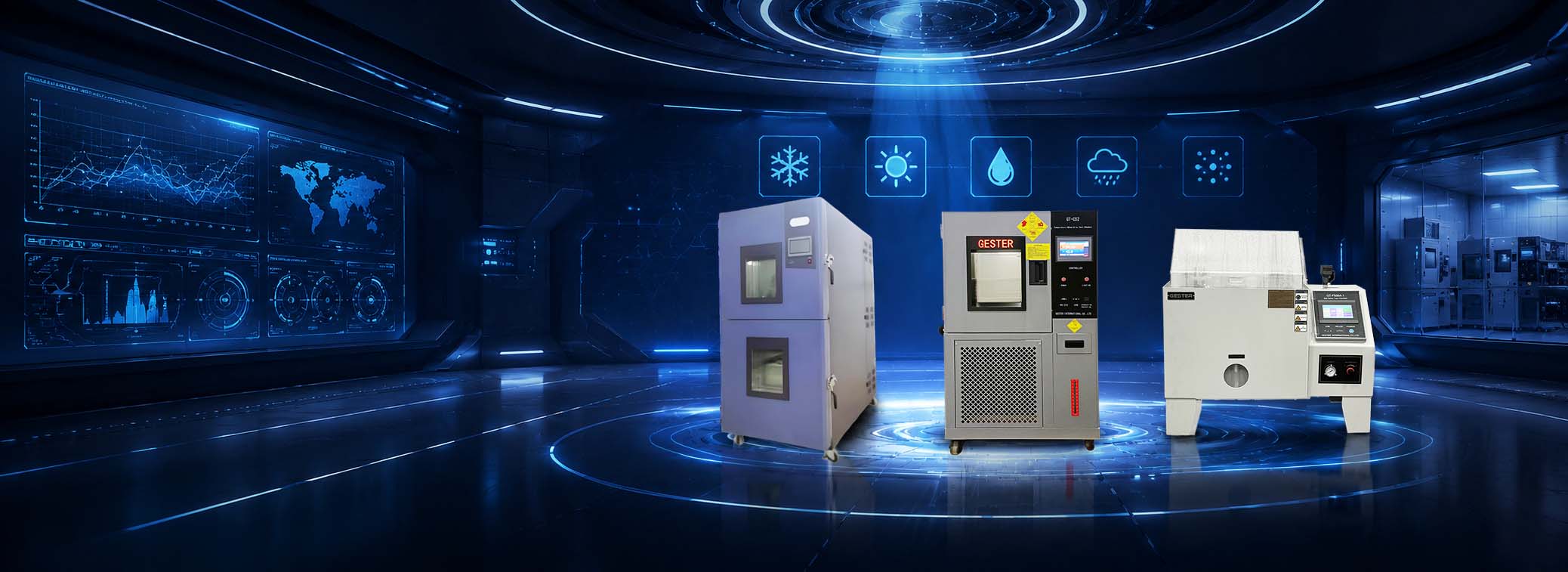
Environmental testing is a broad field. Different products require different environmental simulations.
GESTER provides a range of environmental and climatic testing equipment designed for different laboratory and industrial applications.
Temperature and Humidity Test Chamber
A temperature and humidity test chamber controls temperature and relative humidity to reproduce specified environmental conditions.
These chambers are widely used for evaluating:
-
Electronic products
-
Semiconductor components
-
Automotive components
-
Batteries
-
Materials
-
Packaging
-
Electrical components
-
Industrial products
Temperature and humidity testing can help evaluate dimensional stability, electrical performance, material changes, corrosion risks, and long-term reliability.
GESTER's temperature and humidity test chamber solutions include benchtop and larger configurations for different sample sizes and laboratory requirements.
Related equipment: Temperature and Humidity Test Chamber / Programmable Temperature Humidity Chamber
High and Low Temperature Test Chamber
A high and low temperature test chamber is designed to expose products to controlled high- and low-temperature environments.
The objective is to determine whether products can maintain their required performance when subjected to temperature extremes.
Typical applications include:
-
Electronic components
-
Automotive parts
-
Semiconductor devices
-
Electrical equipment
-
Materials
-
Industrial products
-
Aerospace components
Engineers can use high and low temperature testing to identify problems such as material deformation, cracking, electrical instability, sealing failure, and changes in mechanical properties.
Thermal Shock Test Chamber
A thermal shock test chamber is designed to subject test samples to rapid transitions between high and low temperature environments.
Unlike conventional temperature cycling, thermal shock testing emphasizes rapid temperature transitions that can create significant thermal stress.
Thermal shock testing is particularly useful for products and components that may experience sudden temperature changes during transportation or operation.
Typical applications include:
-
Semiconductor components
-
Electronic products
-
Automotive electronics
-
Aerospace components
-
Defense-related equipment
-
Materials and assemblies
GESTER supplies two-chamber and three-chamber thermal shock test chamber configurations for different testing requirements.
The selection between configurations depends on factors such as sample characteristics, test procedure, temperature range, transfer method, and required temperature transition performance.
Rapid Temperature Change Test Chamber
A rapid temperature change test chamber is used for temperature cycling and accelerated environmental reliability testing where the temperature needs to change quickly between defined conditions.
The equipment is useful when engineers need to evaluate how products respond to repeated temperature changes rather than a single high- or low-temperature exposure.
Applications include:
-
Electronic components
-
Automotive components
-
Semiconductor products
-
Battery components
-
Industrial products
-
Aerospace equipment
Rapid temperature change testing can complement conventional temperature and humidity testing and thermal shock testing when the test program requires controlled temperature transitions.
Walk-In Environmental Chamber
For large products, assemblies, production samples, or large quantities of components, a standard laboratory chamber may not provide sufficient internal space.
A walk-in environmental chamber provides a much larger controlled testing area.
Depending on the configuration, walk-in chambers can be used for environmental simulation involving temperature, humidity, dust, or other conditions.
Typical applications include:
-
Automotive components and assemblies
-
Large electrical equipment
-
Industrial products
-
Battery systems
-
Large materials
-
Aerospace components
-
Production-level testing
Walk-in environmental chambers can also be customized according to laboratory space, test volume, temperature range, humidity requirements, and sample configuration.
Environmental Testing for Water and Dust Protection
Environmental exposure is not limited to temperature and humidity.
Products used outdoors or in demanding environments may need to withstand rain, water jets, immersion, or dust ingress.
Rain and Water Resistance Test Equipment
Rain and water resistance testing evaluates how products respond to controlled water exposure.
Depending on the required test, equipment may simulate:
-
Dripping water
-
Spraying water
-
Rain
-
Water jets
-
High-pressure water
-
Water immersion
-
High-pressure and high-temperature water jets
GESTER's rain and spray testing range includes equipment for different IP water-resistance test requirements.
Available equipment includes rain test chambers, IPX rain test equipment, high-pressure waterproof testing equipment, immersion testers, and IPX9K high-temperature/high-pressure jet testing equipment.
Dust Test Chamber
A dust test chamber is designed to evaluate the resistance of products and enclosures to dust penetration.
Dust testing is particularly relevant for products intended for:
-
Outdoor environments
-
Automotive applications
-
Electrical equipment
-
Electronic products
-
Industrial equipment
-
Transportation equipment
Dust ingress testing can help determine whether dust can enter an enclosure and potentially affect internal components.
For larger products or assemblies, a walk-in dust test chamber can provide a larger testing space.
Corrosion and Aging Testing Equipment
Environmental reliability testing may also involve long-term exposure to corrosive or aging conditions.
Salt Spray Test Chamber
A salt spray test chamber is used to evaluate the corrosion resistance of materials, coatings, surface treatments, and components under controlled salt spray conditions.
Salt spray testing is commonly associated with:
-
Metal materials
-
Coated components
-
Automotive parts
-
Fasteners
-
Electrical components
-
Surface treatments
-
Protective coatings
Depending on the required test method, different salt spray configurations can be used.
GESTER's product range includes neutral salt spray, acidic salt spray, and compound salt spray test chambers.
The appropriate configuration depends on the required test method, sample type, corrosion mechanism being evaluated, and applicable standard.
UV Accelerated Weathering Chamber
Outdoor products can be affected by sunlight, temperature, moisture, and long-term weather exposure.
A UV accelerated weathering chamber is designed to simulate controlled weathering conditions and accelerate the evaluation of material degradation.
Applications can include:
-
Plastics
-
Coatings
-
Rubber
-
Paints
-
Building materials
-
Automotive materials
-
Outdoor products
UV weathering testing can help evaluate changes such as:
-
Color fading
-
Surface cracking
-
Embrittlement
-
Gloss changes
-
Material degradation
HAST and PCT Test Chambers
For certain electronic and semiconductor reliability applications, high-temperature and high-humidity accelerated testing can be used to evaluate product performance under controlled accelerated conditions.
HAST, or Highly Accelerated Stress Test, and PCT, or Pressure Cooker Test, use elevated temperature, humidity, and pressure conditions to accelerate specific reliability mechanisms.
These systems are particularly relevant to:
-
Semiconductor components
-
Electronic components
-
Integrated circuits
-
Packaging materials
-
Electronic assemblies
The appropriate equipment depends on the product, test method, pressure requirements, temperature/humidity conditions, and applicable testing specification.
GESTER's aging chamber product range includes HAST and PCT test chambers.
Environmental Testing Equipment by Application
Different industries face different environmental challenges. Therefore, environmental test chamber selection should start with the actual product and its expected service environment.
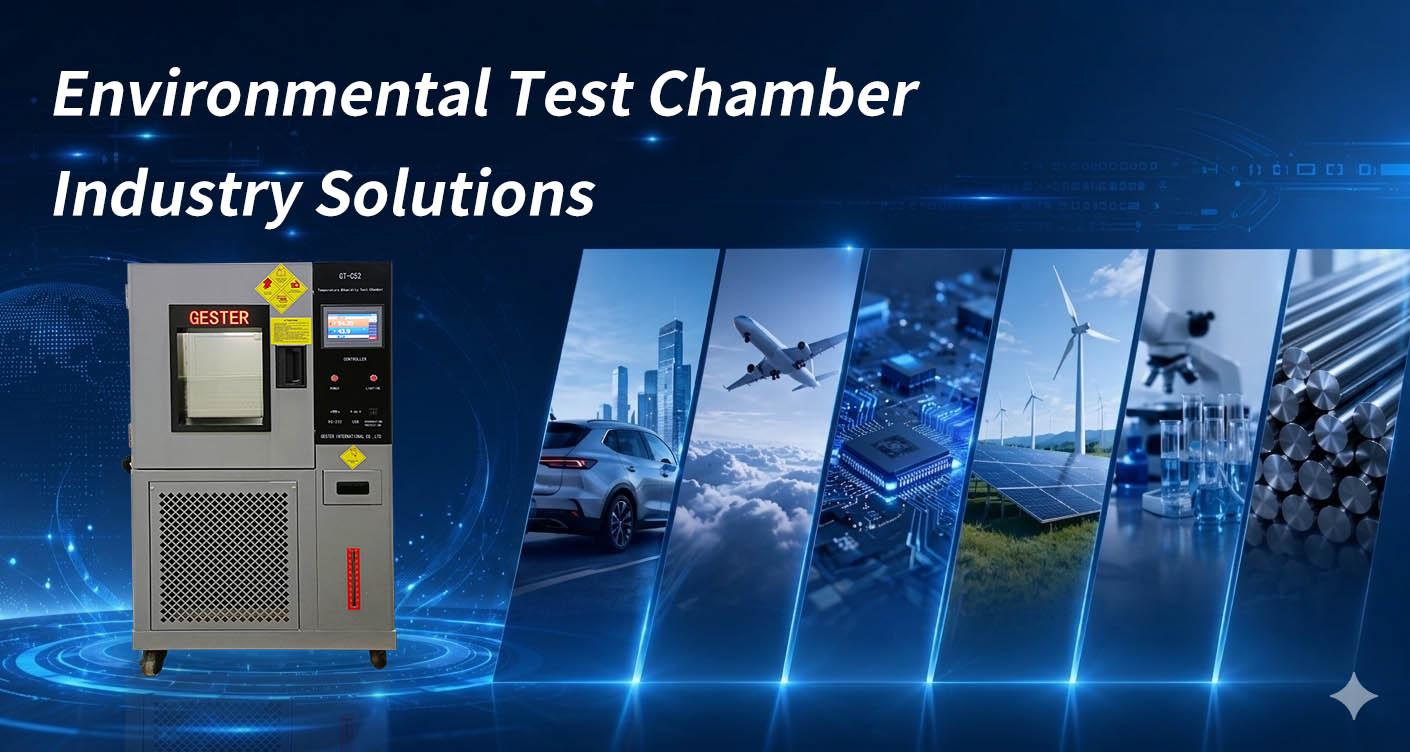
Environmental Testing for Semiconductor Chips
Semiconductor products require precise and stable environmental control because temperature and humidity can influence electrical performance, reliability, and product lifetime.
Common environmental testing equipment includes:
-
Temperature and humidity test chambers
-
High and low temperature test chambers
-
Thermal shock chambers
-
Rapid temperature change test chambers
-
HAST chambers
-
PCT test chambers
GESTER's semiconductor testing solutions specifically include programmable temperature and humidity, high/low temperature, thermal shock, and rapid temperature change equipment.

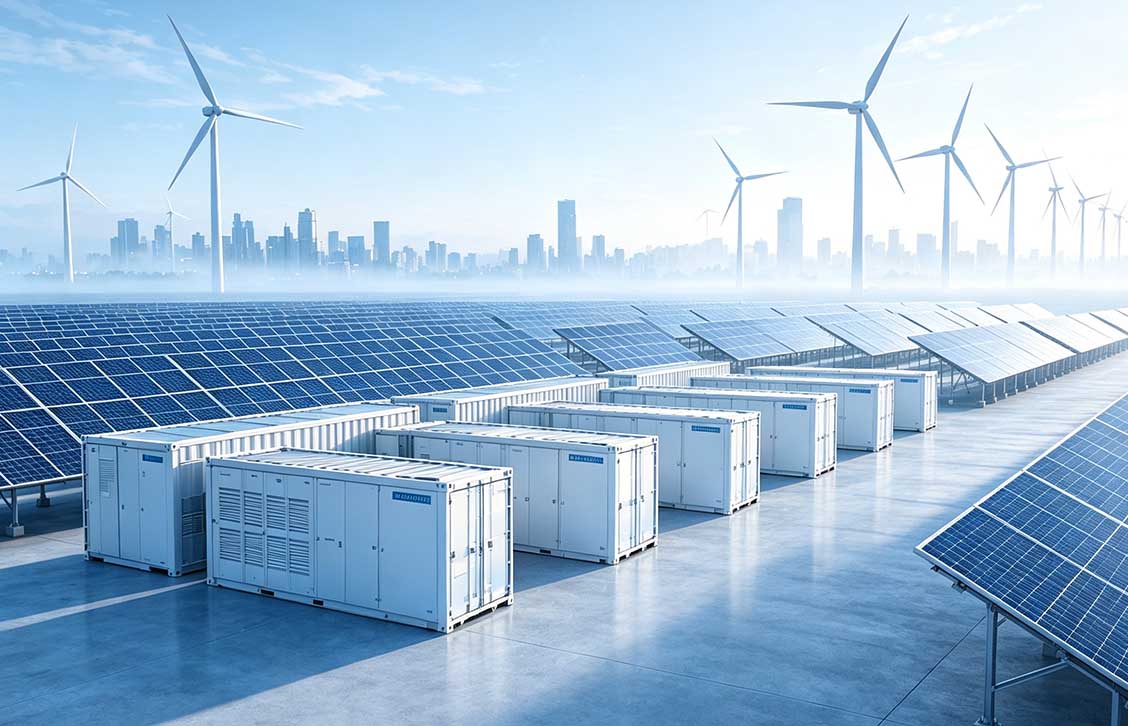
Environmental Testing for New Energy Batteries
Battery products can be affected by temperature, humidity, thermal stress, aging, and other environmental conditions.
Environmental testing can support:
-
Battery reliability evaluation
-
Temperature performance testing
-
Environmental durability testing
-
Safety testing
-
Product development
-
Quality control
GESTER provides environmental chambers alongside dedicated battery testing equipment, including battery overcharge/overdischarge explosion-proof test chambers, battery free-fall testing equipment, nail penetration testing machines, and vibration testing equipment.
For battery laboratories, environmental testing equipment should therefore be considered as part of a broader battery testing solution rather than as an isolated machine.
Environmental Testing for Automotive Components
Automotive components may experience:
-
High temperatures
-
Low temperatures
-
Rapid temperature changes
-
Humidity
-
Rain
-
Dust
-
Salt spray
-
Vibration
-
Transportation stresses
Environmental test chambers can therefore be used to evaluate components before they are integrated into vehicles or released into production.
Typical equipment includes:
-
Temperature and humidity chambers
-
High and low temperature chambers
-
Thermal shock chambers
-
Rapid temperature change chambers
-
Salt spray chambers
-
Rain and spray test equipment
-
Dust test chambers
-
Packaging and transportation testing equipment
GESTER's transportation and automotive testing solutions combine environmental simulation with packaging and transportation testing equipment.

Environmental Testing for Aerospace
Aerospace products require high levels of reliability because environmental conditions can vary significantly during transportation, operation, and service.
Environmental testing may include:
-
Temperature testing
-
Humidity testing
-
Thermal shock testing
-
Temperature cycling
-
Corrosion testing
-
Water resistance testing
-
Dust testing
-
Accelerated aging
For aerospace laboratories, equipment selection should consider not only temperature and humidity range but also test volume, control accuracy, uniformity, recovery performance, sample configuration, and applicable standards.
GESTER provides environmental testing solutions for aerospace manufacturers, laboratories, and testing organizations.

What Standards Are Used for Environmental Testing?
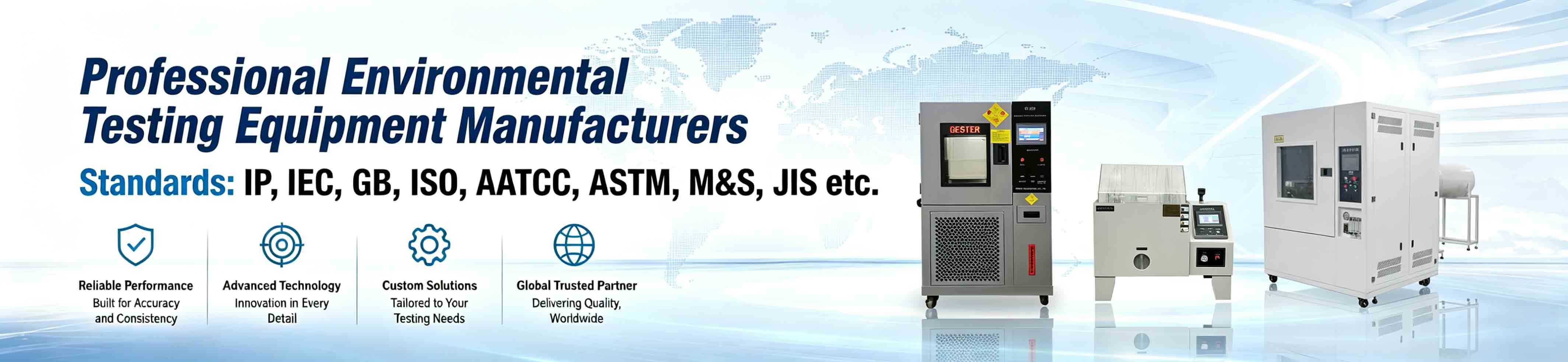
Environmental testing standards vary according to the product, industry, test method, and market.
Common standards and specifications may include requirements from organizations such as:
-
IEC
-
ISO
-
ASTM
-
MIL-STD
-
GB
-
JIS
-
DIN
-
Other industry-specific standards
For example, IEC 60068 is widely associated with environmental testing methods for electrical and electronic products, while IEC 60529 is commonly referenced for degrees of protection provided by enclosures, including IP testing.
Salt spray testing may involve standards such as ASTM B117 and ISO 9227, depending on the required test method.
The applicable standard should always be confirmed according to the specific product and testing program rather than selected solely according to the chamber type.
How to Choose the Right Environmental Test Chamber?
Choosing environmental testing equipment requires more than comparing the lowest price or largest temperature range.
The following factors should be evaluated before purchasing.
Define the Test Objective
Start with the question:
What environmental condition do you need to simulate?
For example:
-
Temperature only
-
Temperature and humidity
-
High/low temperature
-
Rapid temperature change
-
Thermal shock
-
Rain
-
Water immersion
-
Dust
-
Salt spray
-
UV aging
-
High-temperature/high-humidity aging
The answer determines the basic equipment category.
Determine the Test Sample Size
Chamber working volume should be selected according to the dimensions and quantity of test samples.
Consider:
-
Sample dimensions
-
Number of samples
-
Fixture requirements
-
Sample spacing
-
Air circulation
-
Future testing requirements
For small components, a benchtop chamber may be sufficient.
For large assemblies or large quantities of samples, a walk-in environmental chamber may be more appropriate.
Determine the Required Temperature Range
Different applications require different temperature ranges.
Before purchasing, define:
-
Minimum temperature
-
Maximum temperature
-
Temperature change rate
-
Temperature stability
-
Temperature uniformity
-
Recovery time
Do not select equipment based only on the advertised maximum and minimum temperature.
The actual test procedure and required performance should determine the specification.
Determine Humidity Requirements
If humidity testing is required, evaluate:
-
Relative humidity range
-
Humidity accuracy
-
Humidity uniformity
-
Temperature/humidity control
-
Condensation requirements
-
Water supply requirements
For laboratories performing long-term temperature/humidity testing, stable humidity control is particularly important.
Evaluate Temperature Change Performance
If the test involves temperature cycling or thermal shock, evaluate:
-
Heating rate
-
Cooling rate
-
Temperature transition time
-
Sample transfer time
-
Temperature recovery
-
Chamber-to-chamber configuration
-
Sample basket or transfer mechanism
These factors can have a direct impact on the actual test conditions experienced by the sample.
Consider Control and Data Recording
Modern environmental test chambers should provide appropriate control and monitoring functions.
Depending on the application, consider:
-
Programmable temperature profiles
-
Humidity control
-
Multiple test steps
-
Data recording
-
Alarm functions
-
Remote monitoring
-
Test history
-
Safety protection
For laboratories operating long-duration tests, data traceability is particularly important.
Consider Laboratory Space and Installation
Before purchasing, confirm:
-
Chamber dimensions
-
Door opening
-
Laboratory access
-
Power requirements
-
Heat dissipation
-
Drainage
-
Water supply
-
Ventilation
-
Installation conditions
-
Maintenance access
A chamber that fits the sample but cannot be properly installed or maintained is not a practical laboratory solution.
Environmental Test Chamber vs Climate Chamber
The terms environmental test chamber, environmental chamber, and climate chamber are often used interchangeably in the testing industry.
However, the exact meaning can depend on the supplier and application.
A climate chamber generally refers to equipment designed to control environmental conditions such as temperature and humidity.
Environmental test chamber is a broader term that may include equipment for:
-
Temperature
-
Humidity
-
Thermal shock
-
Temperature cycling
-
Rain
-
Dust
-
Salt spray
-
UV aging
-
Other environmental simulation tests
Therefore, when selecting equipment, it is more useful to define the required test method and environmental conditions rather than relying only on terminology.
Environmental Test Chamber Manufacturer and Supplier
Selecting a reliable manufacturer is an important part of environmental testing equipment procurement.
A professional manufacturer should be able to provide more than a standard machine.
Important factors include:
Product Engineering
The manufacturer should understand temperature control, refrigeration, humidity generation, air circulation, sensors, control systems, and safety protection.
Customization
Different laboratories may require customized dimensions, temperature ranges, humidity ranges, test volumes, fixtures, doors, controllers, or other configurations.
Manufacturing Capability
A strong manufacturing process helps ensure consistency between equipment design, assembly, testing, and delivery.
Quality Control
Environmental chambers should be inspected and tested before shipment.
Installation and Training
For complex equipment, installation guidance, operation training, and technical documentation can reduce commissioning problems.
After-Sales Support
Maintenance, troubleshooting, spare parts, and technical support are important for laboratories operating equipment over the long term.
Why Choose GESTER for Environmental Testing Equipment?
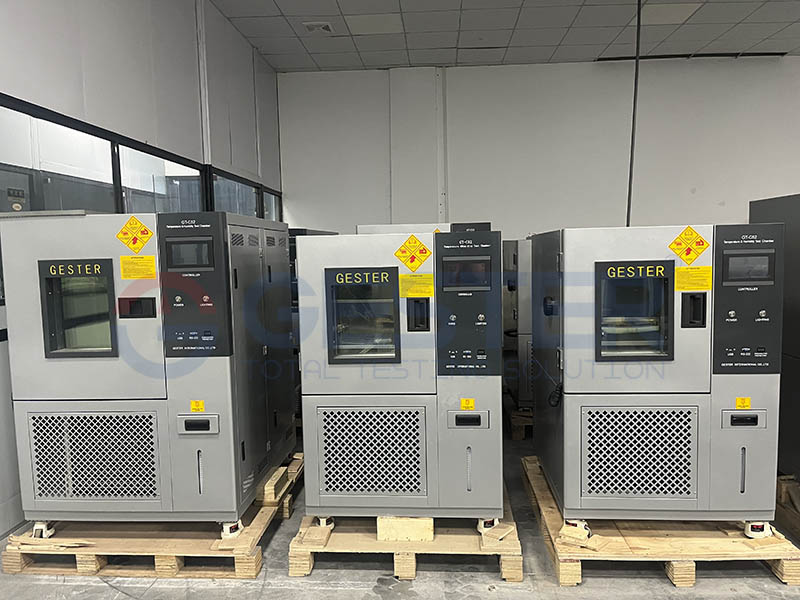
GESTER International Co., Ltd. specializes in the R&D and manufacturing of environmental and climatic test chambers and related testing equipment.
The company's product portfolio covers temperature and humidity testing, high and low temperature testing, thermal shock testing, rapid temperature change testing, IP testing, salt spray testing, aging, industrial ovens, packaging transportation testing, and battery testing equipment.
GESTER also provides environmental testing solutions for industries including:
-
Semiconductor
-
New energy batteries
-
Electrical and electronics
-
Aerospace
-
Mechanical and electrical products
-
Transportation and automotive
The company states that it provides equipment selection, customization, installation, training, and after-sales support for customers worldwide.
For laboratories with specific environmental testing requirements, the equipment should be selected according to the actual test method, sample dimensions, environmental conditions, applicable standards, and laboratory configuration.
Need help selecting environmental testing equipment?
Tell GESTER your product type, sample size, required test conditions, applicable standard, and testing objective. Our technical team can help evaluate the appropriate environmental test chamber configuration for your application.
Explore GESTER Environmental Test Chambers and Testing Equipment