

Temperature Chamber vs Temperature Humidity Chamber: What Is the Difference?

When manufacturers need to verify product reliability under changing environmental conditions, choosing the right environmental test chamber is essential. Two commonly considered options are the temperature chamber and the temperature humidity chamber.
Although both types of equipment are designed to simulate controlled environmental conditions, they serve different testing purposes. A temperature chamber primarily controls temperature, while a temperature humidity chamber controls both temperature and relative humidity. Understanding this difference can help laboratories, manufacturers, and R&D teams select the most suitable testing solution for their products.
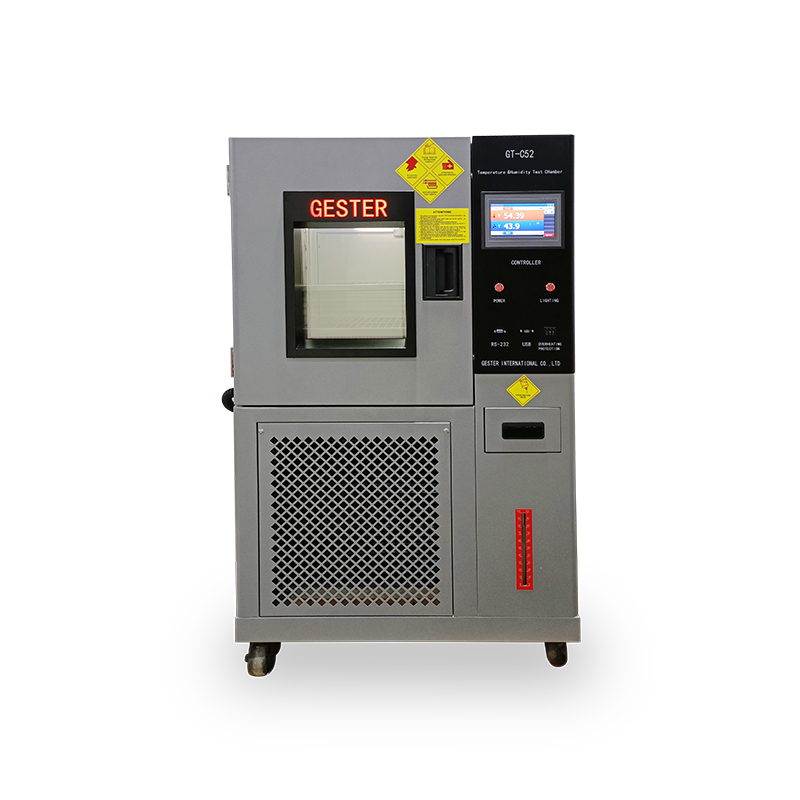
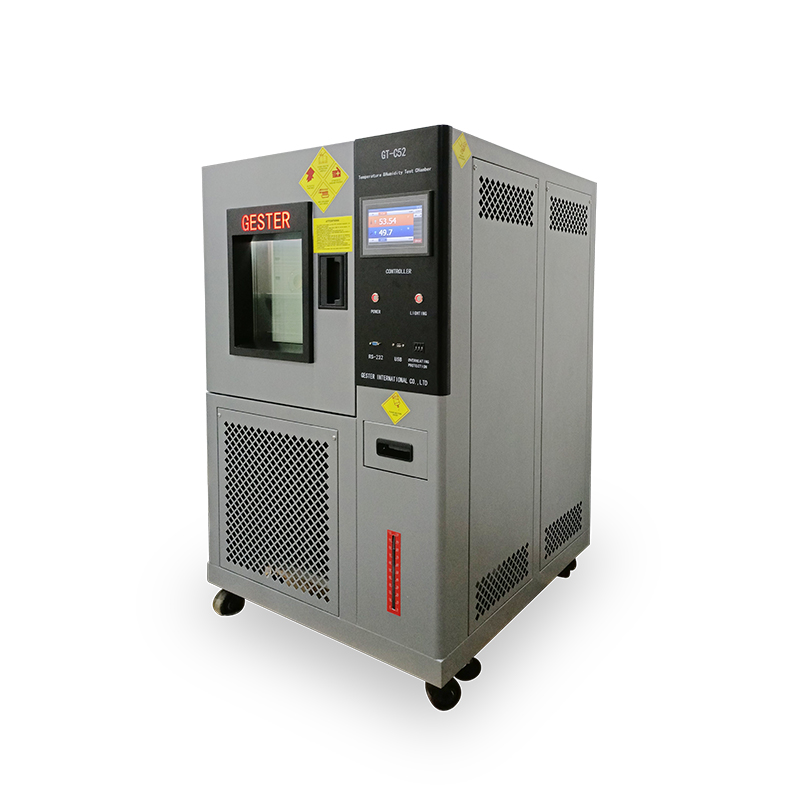
For companies evaluating environmental test equipment, GESTER provides temperature and humidity test chambers, high and low temperature test chambers, rapid temperature change chambers, and other environmental simulation solutions for a wide range of industries.
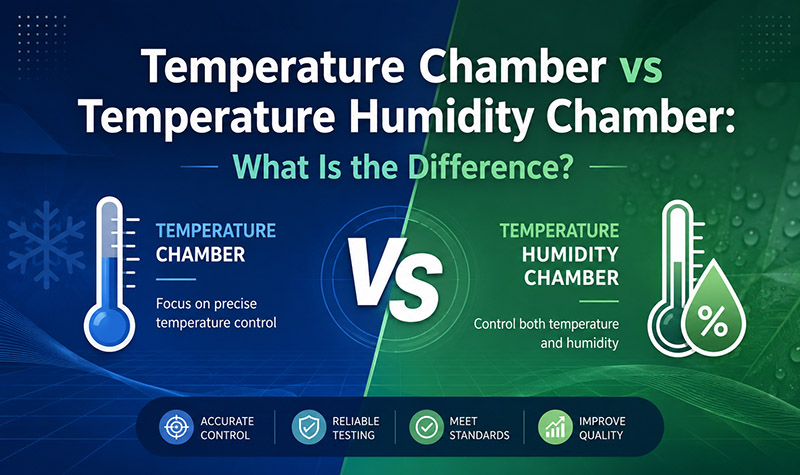
What Is a Temperature Chamber?
A temperature chamber is an environmental testing device designed to expose test samples to controlled temperature conditions. Depending on the chamber configuration, it can simulate high temperatures, low temperatures, or programmed temperature cycles.
The main purpose is to determine how a product, component, material, or assembly performs when exposed to thermal stress.
Typical applications include:
High-temperature testing
Low-temperature testing
High-low temperature cycling
Temperature conditioning before other tests
Product reliability and durability evaluation
Thermal performance verification
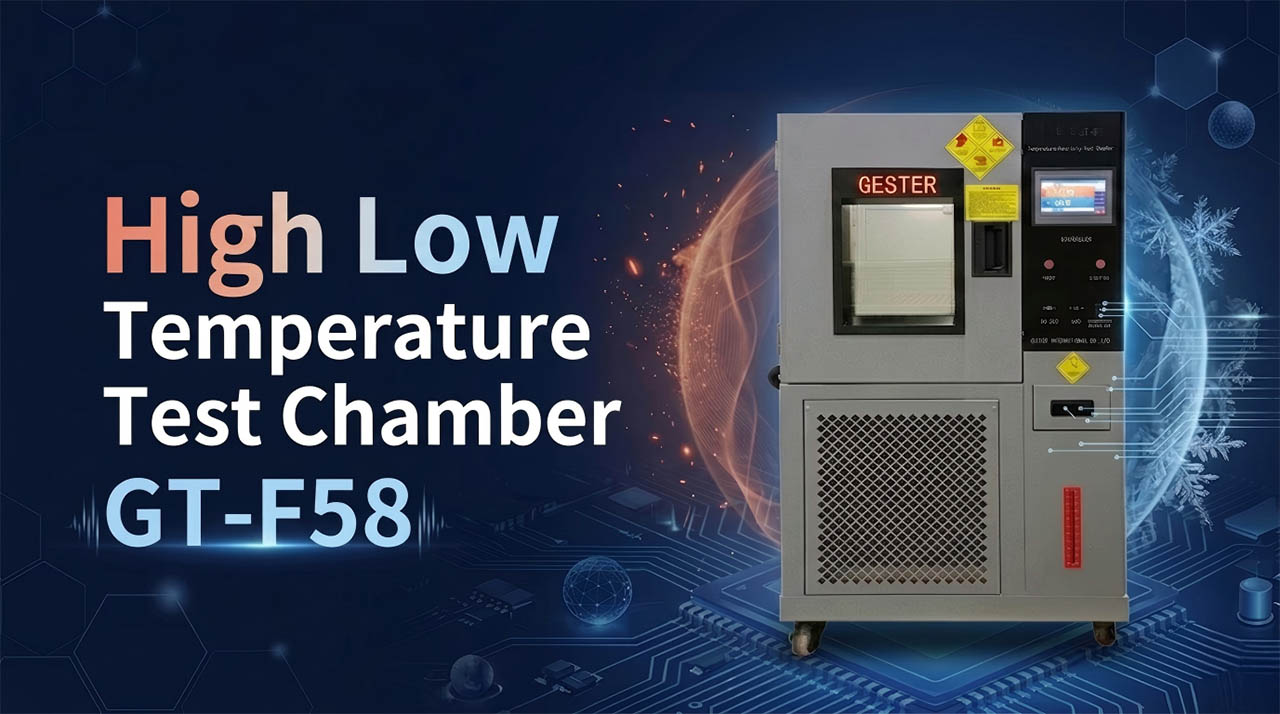
For example, a high and low temperature test chamber can be used to evaluate whether electronic components, automotive parts, materials, or other products continue to operate reliably after exposure to extreme temperatures.
GESTER's high and low temperature chambers are designed for sample conditioning and high-low temperature alternating tests, with multiple chamber sizes available for different testing requirements.
What Is a Temperature Humidity Chamber?
A temperature humidity chamber, also called a temperature and humidity test chamber or climatic chamber, controls both temperature and relative humidity inside the test space.
A temperature humidity chamber can be used for:
Constant temperature and humidity testing
Damp heat testing
Temperature-humidity cycling
Moisture resistance testing
Accelerated aging
Reliability testing
Environmental conditioning
This is particularly useful because humidity can accelerate corrosion, moisture absorption, insulation degradation, swelling, oxidation, material aging, and other forms of environmental damage.
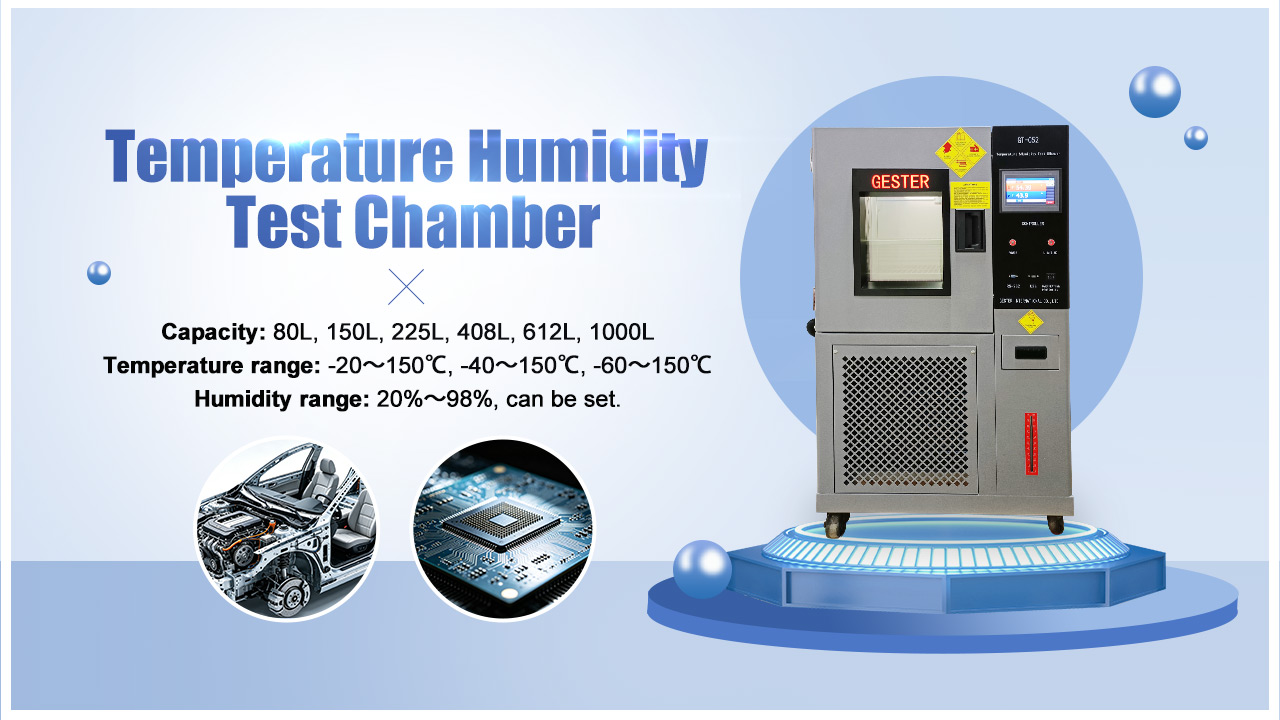
A temperature humidity chamber can therefore provide comprehensive simulation of environmental conditions encountered during product storage, transportation, and operation.
GESTER's temperature and humidity test chambers are designed to simulate controlled environmental conditions for evaluating product performance, stability, durability, and reliability.
Temperature Chamber vs Temperature Humidity Chamber: The Main Difference
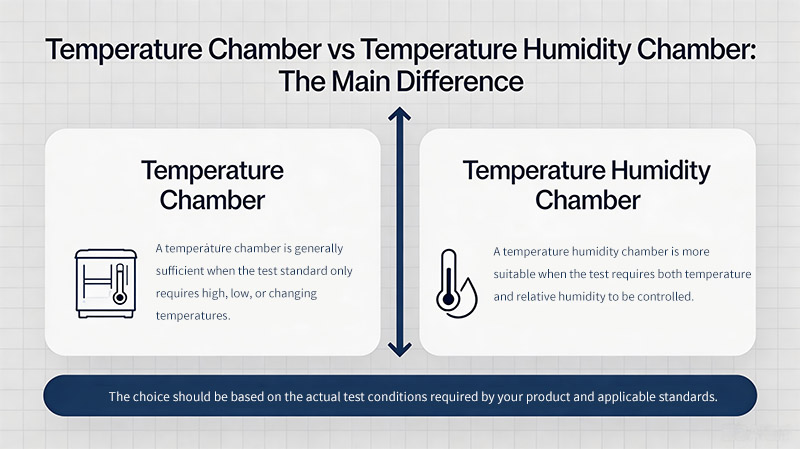
The simplest way to understand the difference is:
Temperature Chamber = Temperature Control
Temperature Humidity Chamber = Temperature + Humidity Control
A temperature chamber is generally sufficient when the test standard only requires high, low, or changing temperatures.
A temperature humidity chamber is more suitable when the test requires both temperature and relative humidity to be controlled.
Temperature Chamber
A temperature chamber focuses on thermal conditions such as:
High temperature
Low temperature
Temperature cycling
Thermal conditioning
It is suitable when humidity does not need to be controlled during the test.
Temperature Humidity Chamber
A temperature humidity chamber adds humidity control to temperature control.
It can be used for:
Constant temperature and humidity testing
High temperature and high humidity testing
Damp heat testing
Environmental conditioning
Temperature-humidity reliability testing
Therefore, the choice should be based on the actual test conditions required by your product and applicable standards.
When Should You Choose a Temperature Chamber?
A temperature chamber may be the better choice when:
1. You Only Need Temperature Testing
If your testing program focuses on high and low temperatures, humidity control may not be necessary.
2. You Need Temperature Cycling
Temperature chambers can be used to expose products to programmed changes between high and low temperatures.
3. Your Test Standard Does Not Require Humidity
Always check the applicable standard before selecting the equipment. If humidity is not specified, a temperature-only chamber may be sufficient.
4. You Are Testing Thermal Performance
For materials and components where temperature is the primary environmental stress, a temperature chamber can provide the required test environment.
When Should You Choose a Temperature Humidity Chamber?
A temperature humidity chamber is generally more appropriate when:
1. Humidity Is Part of the Test Requirement
If the test standard specifies both temperature and relative humidity, you need a chamber capable of controlling both parameters.
2. Moisture Can Affect Product Reliability
Humidity can influence corrosion, electrical insulation, material properties, dimensional stability, and other performance characteristics.
3. You Need Damp Heat Testing
Combined temperature and humidity conditions can be used to evaluate product durability under demanding environmental conditions.
4. You Test Electronics or New Energy Products
Temperature and humidity can both influence the reliability of electronic components, semiconductor products, battery-related products, and other industrial equipment.
GESTER provides environmental testing solutions for industries including semiconductor and electronics, new energy batteries, automotive, aerospace, and mechanical and electrical products.
Can a Temperature Humidity Chamber Replace a Temperature Chamber?
In many cases, a temperature humidity chamber can also perform temperature-only tests because temperature remains one of its controllable parameters.
However, this does not mean it is always the best choice.
If your laboratory only performs temperature testing, a dedicated temperature chamber may be sufficient.
If your laboratory needs both temperature-only and temperature-humidity testing, a programmable temperature humidity chamber can provide greater testing flexibility.
The decision should therefore consider your current testing requirements and future testing plans.
How to Choose the Right Environmental Test Chamber
Before purchasing an environmental test chamber, consider the following factors.
1. Test Standard
First determine which ISO, ASTM, IEC, JIS, GB, or other standard applies to your product.
The standard should define the required environmental conditions and test procedure.
2. Temperature Range
Determine the minimum and maximum temperature required for your testing program.
Do not select a chamber based only on its maximum temperature. The complete operating range is important.
3. Humidity Range
If humidity testing is required, determine the required relative humidity range and control accuracy.
4. Test Chamber Size
Choose the chamber volume according to:
Sample dimensions
Number of samples
Required airflow
Future testing requirements
For laboratories with limited space, a benchtop temperature humidity chamber can be a practical solution.
5. Test Profile
Determine whether you need:
Constant temperature
Constant temperature and humidity
Temperature cycling
Rapid temperature changes
Thermal shock
Different test objectives require different environmental chamber configurations.
GESTER Environmental Test Chamber Solutions
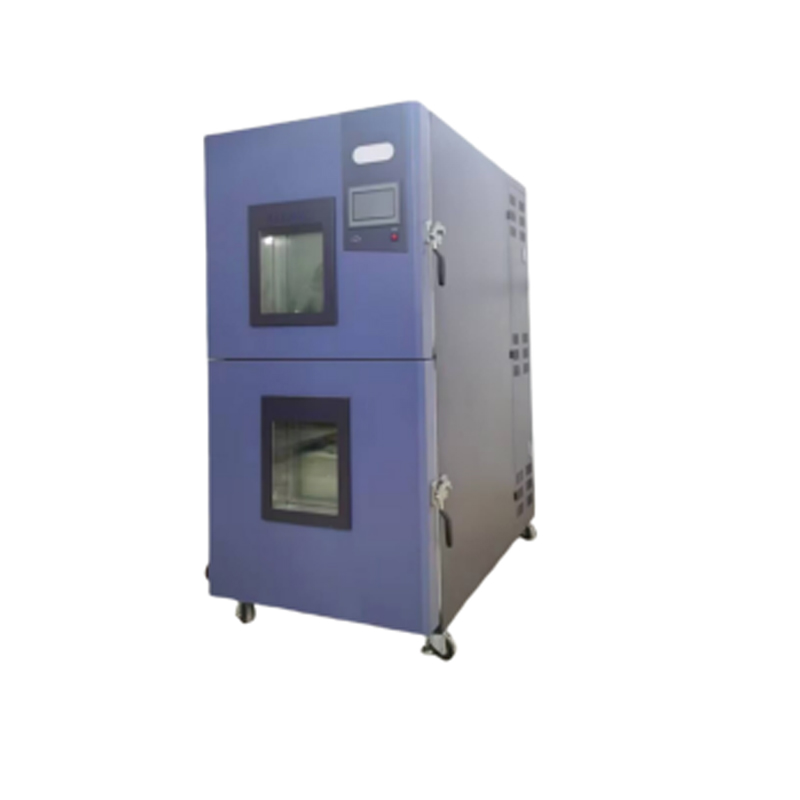
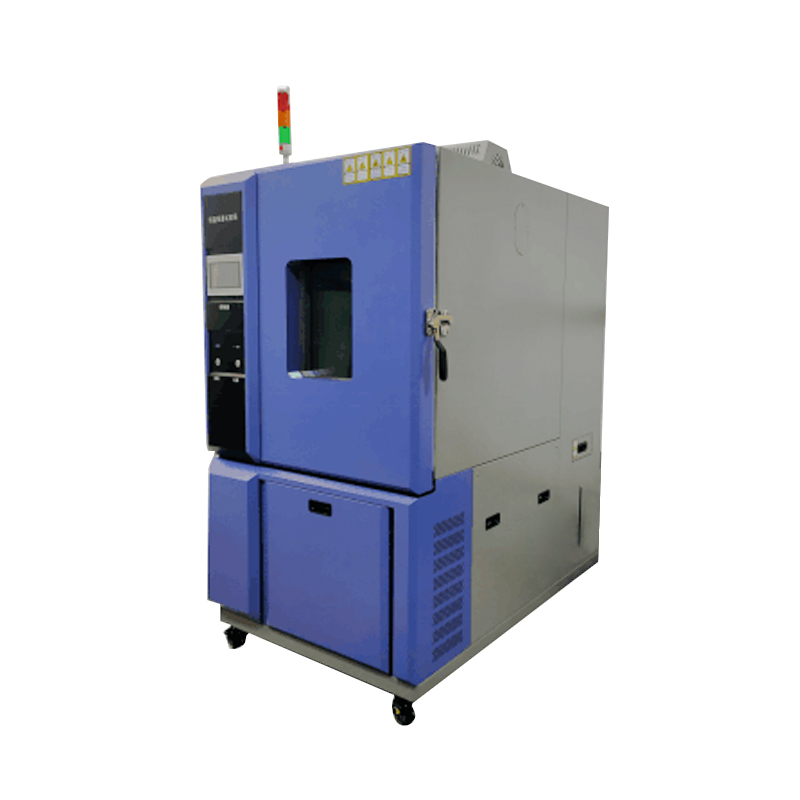
GESTER provides a range of environmental and climatic test chambers for laboratory and industrial applications.
GESTER also provides customized environmental test chamber solutions according to specific test applications and customer requirements.
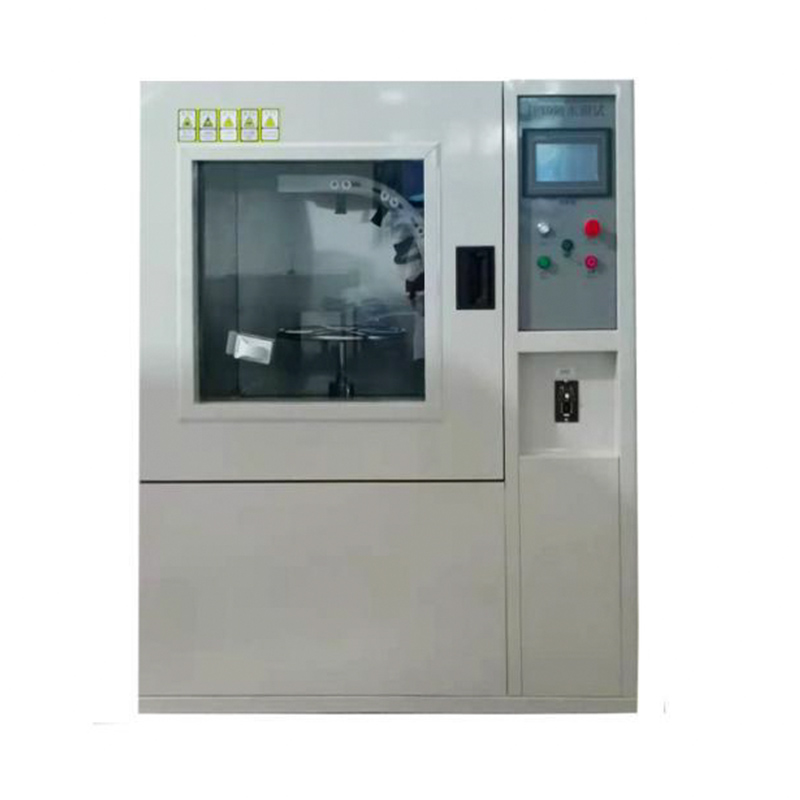
Rain & Spray Test Chamber |
Frequently Asked Questions
Is a temperature chamber the same as a temperature humidity chamber?
No. A temperature chamber controls temperature, while a temperature humidity chamber controls both temperature and relative humidity.
What is a temperature chamber used for?
A temperature chamber is used to evaluate product and material performance under controlled high, low, or changing temperature conditions.
What is a temperature humidity chamber used for?
It is used to simulate controlled temperature and humidity environments for reliability, durability, conditioning, and environmental testing.
Do I need humidity control for temperature cycling?
Not necessarily. If the test only requires temperature changes, a temperature chamber may be sufficient. If humidity is included in the test profile, a temperature humidity chamber is required.
Which chamber should I choose?
Start with the applicable testing standard and determine the required temperature range, humidity range, test volume, and test profile. Then select the chamber configuration that matches these requirements.
Conclusion
The difference between a temperature chamber and a temperature humidity chamber is mainly the environmental variables they control.
A temperature chamber is designed for temperature-focused testing, such as high-temperature, low-temperature, and temperature cycling tests.
A temperature humidity chamber controls both temperature and humidity, making it suitable for environmental tests where moisture can affect product performance and reliability.
The right choice depends on your testing standard, product characteristics, temperature range, humidity requirements, sample size, and test method.
If you are looking for a temperature chamber or temperature humidity chamber for your laboratory or production facility, GESTER can provide standard and customized environmental test chamber solutions based on your specific testing requirements.