Leave A Message
If you are interested in our products and want to know more details,please leave a message here,we will reply you as soon as we can.

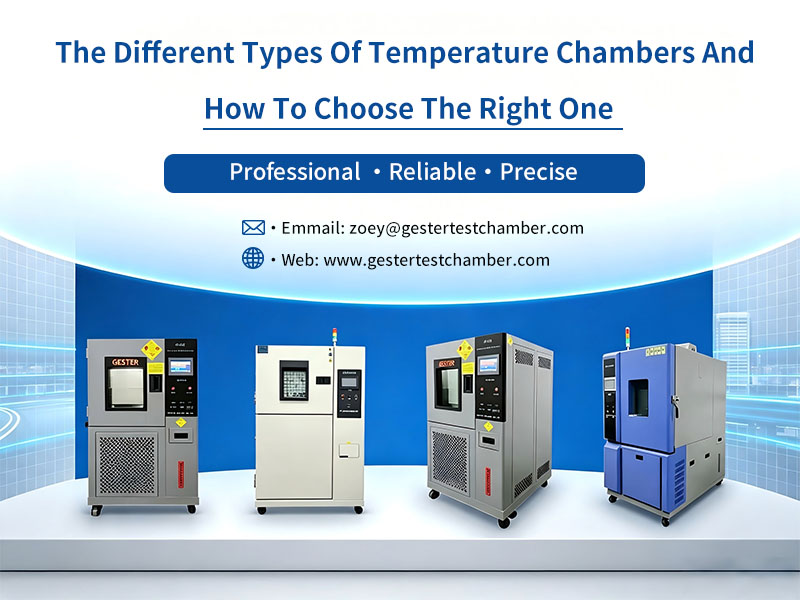
Selecting the best temperature chamber type isn’t an easy task, because it could have an impact on the way your product reliability testing works. To simplify the process, we’ll be reviewing the four core temperature test chambers so you equip yourself with the right information and make good procurement choices.
Temperature test chambers are manufactured with different internal control systems and could take on several functional forms. In addition, they form a significant piece of testing infrastructure for electronics, auto parts, aerospace components and consumer goods manufacturing.
It simulates real-world extreme natural conditions, ensures precise and repeatable environmental transfer, and could expose hidden product defects before mass production launch. Selecting the best temperature chamber is an important part of your product reliability verification workflow.
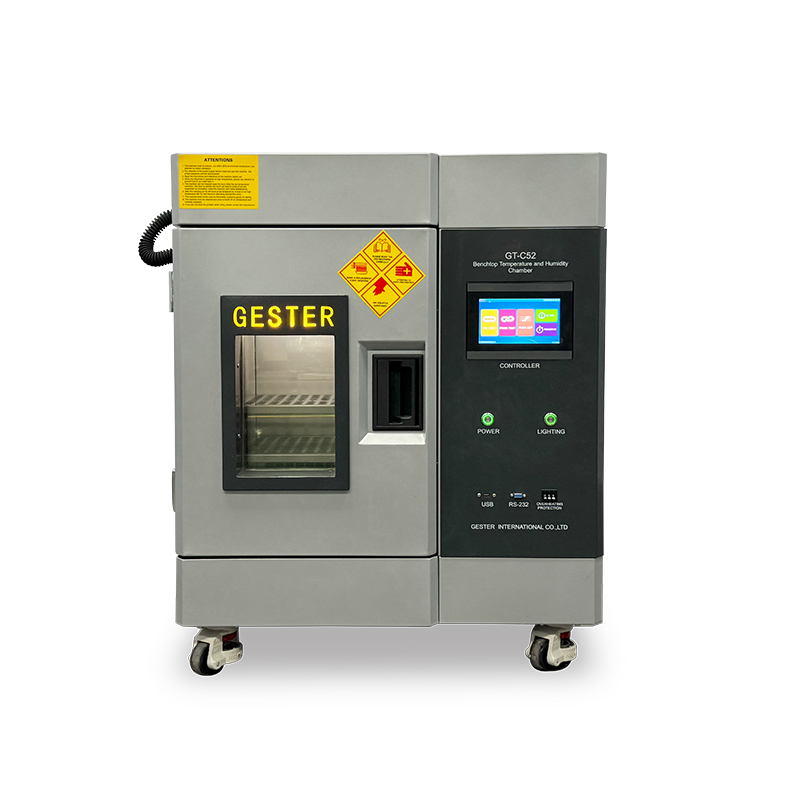
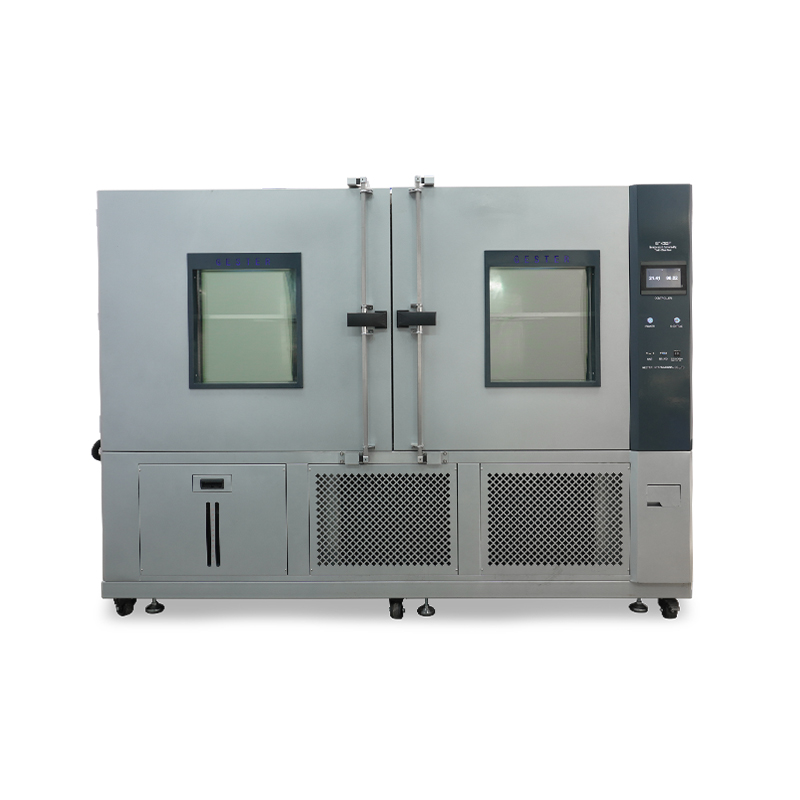
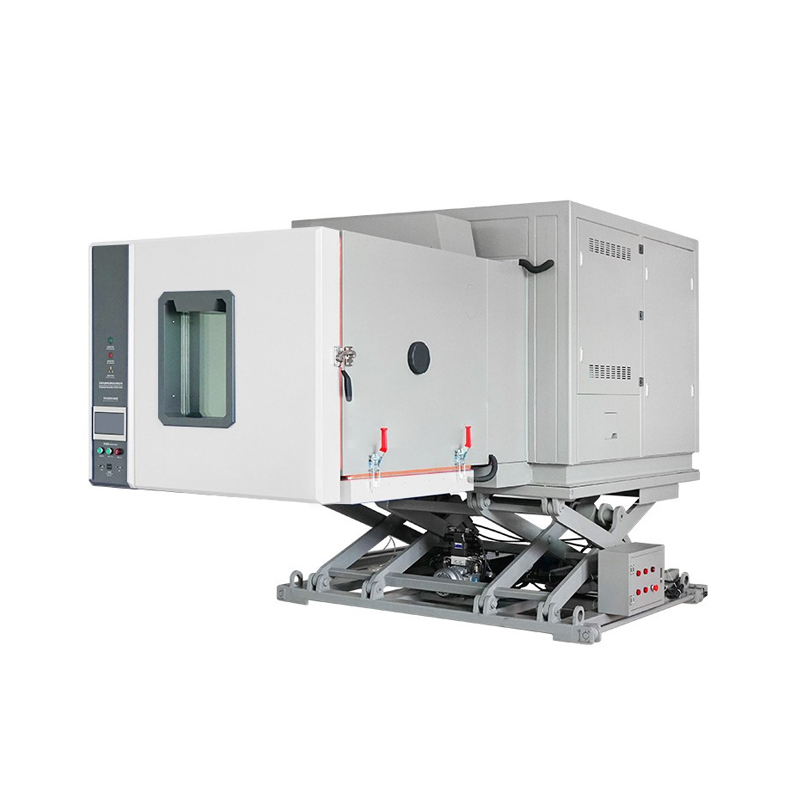
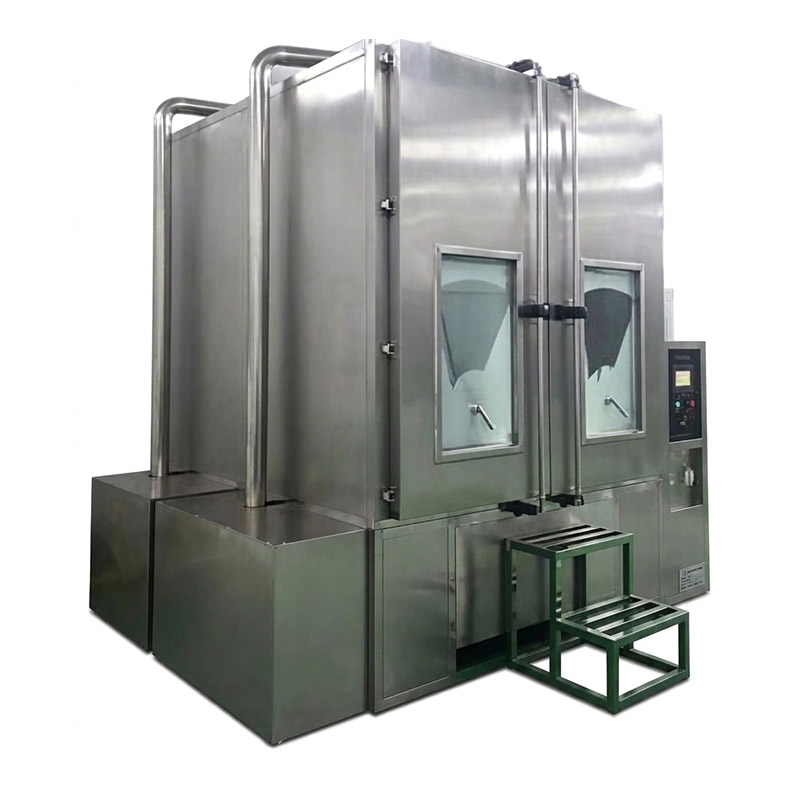
The majority of industrial temperature test chambers fall into four core categories: constant temperature humidity test chamber, high low temperature test chamber, thermal shock test chamber, and rapid temperature change test chamber. Each is engineered for distinct environmental simulation goals. Now let’s help you break down the four chamber types in full detail.
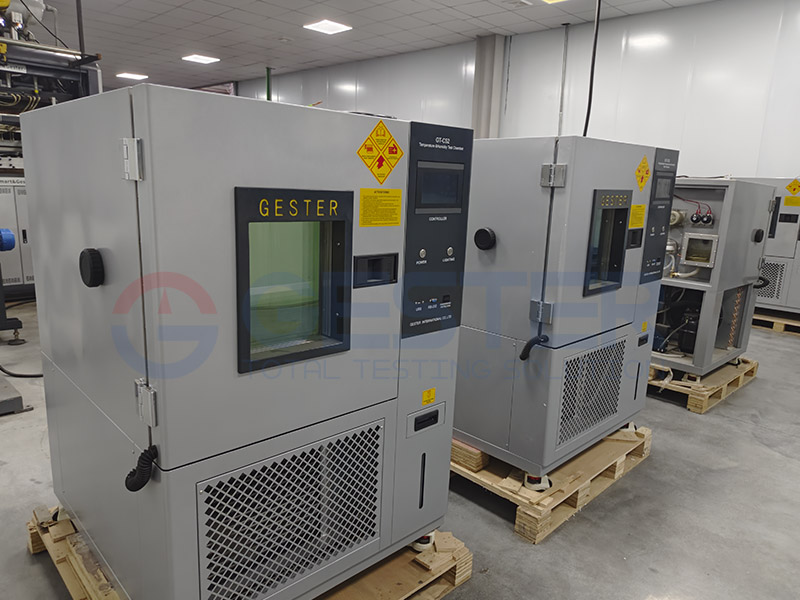
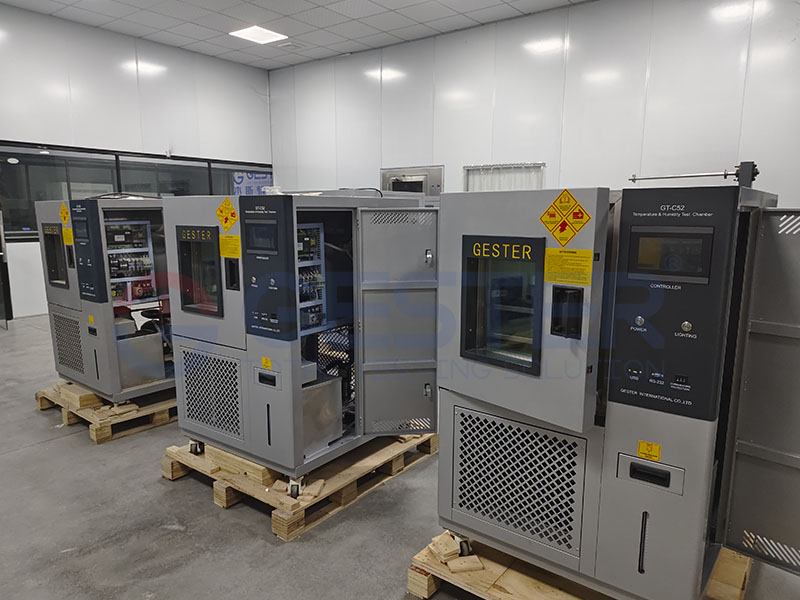
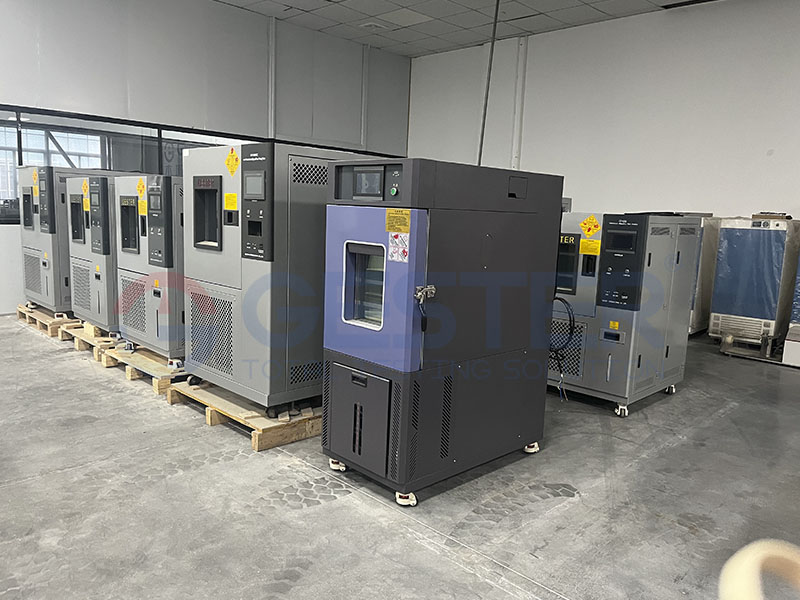
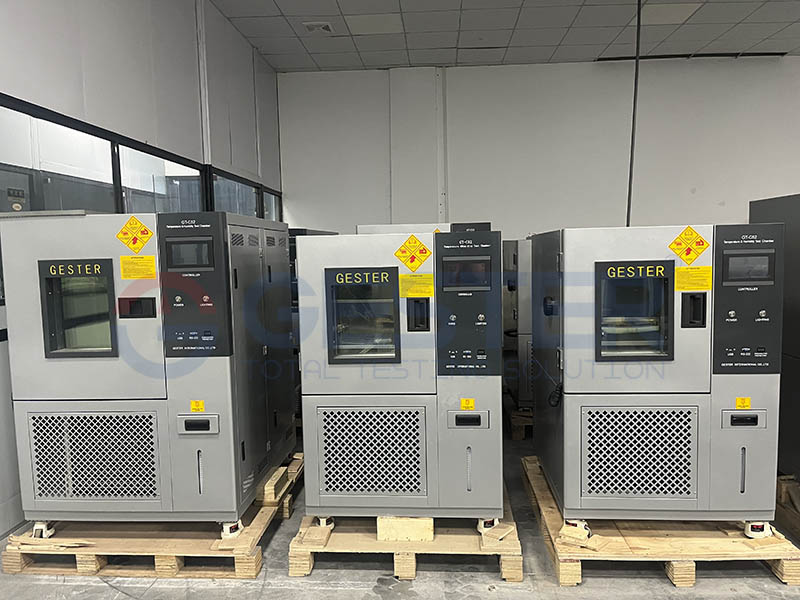
These are usually the most widely used baseline testing units, built to deliver stable, fixed temperature and humidity environments for durability trials.
Core Parameters
Temperature range: Standard -20℃~150℃; high-end expandable to -70℃~180℃
Humidity range: Typical 20% RH~98% RH; premium low-humidity models reach 10% RH~98% RH
- Temperature and humidity fluctuation specifications: Temperature fluctuation ±0.5℃, Humidity fluctuation ±2% RH; ultra-precision units offer tighter tolerance standards
Core Features
The main focus lies in "stable constant conditions", with extremely mild temperature and humidity shifting speed. It is engineered to test long-term endurance performance of samples under fixed climate environments.
If temperature humidity chambers are the "stable climate specialists", high low temperature chambers act as "extreme temperature specialists". This unit fully focuses solely on hot and cold extreme temperature simulation without native humidity control; some premium models support add-on humidity modules, but core design prioritizes pure temperature cycling testing.
Core Parameters
Temperature range: Standard -40℃~150℃; industrial high-spec units extend to -70℃~200℃
Heating & cooling ramp speed: Standard models run roughly 1℃/min~3℃/min, classified as slow-rate temperature variation equipment
Core Features
It is designed exclusively to verify product tolerance under extreme high or low temperature environments. Its slow temperature transition speed closely mimics natural gradual temperature shifts seen in daily real-world operating conditions.
Thermal shock chambers are built to simulate violent, instant alternating shifts between high-temperature and low-temperature zones within a very short window, designed to examine product resistance against severe thermal shock stress from rapid expansion and contraction of materials.
Core Parameters & Configurations
High temperature zone range: 60℃~180℃
Low temperature zone range: 0℃~-60℃
Zone switching time: Hot-cold transition ≤10 seconds, this metric defines core equipment performance grade
Two mainstream structural types: Two-zone design (independent hot & cold compartments, mechanical elevator moves samples between zones); Three-zone design (adds intermediate normal-temperature compartment for buffered shock transition)
Core Features
Extreme, near-instant temperature gap switching is its defining trait. The core testing goal is revealing structural damage, solder joint cracking, or functional failure triggered by drastic thermal expansion and contraction differences in materials and electronic components.
Rapid temperature change chambers sit functionally between standard high low temperature chambers and thermal shock chambers. Their temperature shift speed far outpaces regular high-low units, yet transitions remain continuous and smooth without the instant violent zone switching seen in thermal shock equipment.
Core Parameters
Temperature range: Standard -40℃~150℃
Temperature ramp rate: Standard 5℃/min~15℃/min
Optional integrated humidity control function (20%RH~98%RH) to support combined fast temperature + damp heat testing workflows
Core Features
Its transition curve closely mirrors the dynamic fast temperature shifts electronic and automotive products face in real field operating scenarios.
Maintenance
In most cases, your unique product testing standards and workflow demands will determine the best temperature chamber type to select. Most times, it is important to consider how frequently you run environmental tests, what type of environmental stress your product requires validation against, and your long-term lab maintenance bandwidth. Below are critical questions you should ask yourself before selecting a temperature chamber that suits your facility’s needs. Your response to these questions will help you narrow down the ideal model.
Experts have advised that long-term durability tests for plastics, packaging and general consumer goods are best run under stable constant temperature and humidity environments, making temperature humidity test chambers the top pick. If you need accelerated screening for electronics, semiconductors or automotive circuit boards to reveal hidden assembly flaws, rapid temperature change or thermal shock chambers are better suited. Pure extreme temperature tolerance trials without humidity needs fit high low temperature chambers perfectly.
Thermal shock chambers rely on elevator transfer hardware that faces gradual wear over thousands of shock cycles and require more frequent part replacement compared to static circulation chambers.
If your validation protocols mandate damp-heat aging, temperature cycling with humidity variation or constant moisture environments, high low temperature and thermal shock chambers without factory-built humidity systems will not satisfy your requirements — temperature humidity or humidity-capable rapid temperature change chambers are your viable options.
Overall, your budget plays a major role when selecting temperature chamber type. Higher-performance rapid temperature change and thermal shock chambers are larger long-term investments, as their advanced hardware delays replacement cycles for many years.
Thermal shock chambers deliver sharp, instant temperature transitions that quickly reveal assembly weaknesses from thermal expansion mismatch. If you test mid-size electronics or battery modules requiring milder, continuous fast temperature fluctuation without violent shock jumps, rapid temperature change chambers strike a balanced middle ground, with optional humidity functionality for combined damp-heat fast cycle testing.
Temperature humidity chambers are superior for low-maintenance, versatile general lab use when stable long-term temperature testing is your core priority, offering reliable dual temperature-humidity control for most consumer and industrial product durability trials.
You can select a standard high low temperature chamber if your testing scope only covers pure extreme high and low temperature tolerance without any humidity simulation requirements. It features a simplified internal structure, lower power consumption and minimal daily upkeep work.
You can achieve accurate, repeatable product reliability testing when you select the most suitable temperature chamber type aligned with your industry standards and sample validation needs. Regardless of the chamber model you choose, ensure its core parameters, functional features and maintenance demands match your facility’s long-term testing roadmap.
A basic environmental tester that maintains stable fixed temperature and humidity to test long-term product durability.
Standard: -20℃~150℃; high-end models extend to -70℃~180℃, with humidity 20%RH–98%RH.
Equipment that switches samples instantly between separate hot and cold zones to create drastic thermal stress.
Samples shift between high-temp and low-temp compartments in under 10 seconds repeatedly to test resistance to thermal expansion damage.
Simulate extreme hot/cold environments to verify if products work reliably under harsh temperature conditions.
Another name for thermal shock chamber, designed for violent alternating high-low temperature impact testing.
General term for high low temperature test chambers that simulate extreme hot and cold without humidity control.
Temperature chambers are ‘essential equipment’ for ensuring product reliability. They simulate extreme environmental conditions found in nature, enabling potential issues that may arise during product use to be identified in advance, thereby providing crucial data for optimising product quality.
A unit with fast, continuous linear heating/cooling (5–40℃/min), optional humidity, no sudden thermal shock jumps.
Accelerated cycling test using steady fast temperature ramp rates to mimic real-world continuous temperature fluctuations.
For more information on temperature testing methods, standards, and temperature chambers, contact us:
Tel : +8619959681869
Email: zoey@gestertestchamber.com
leave a message
Scan to wechat :

Scan to Whatsapp :